an exhibition of modern and contemporary indian art
Mumbai 11-12 April, 2026
Modern & Contemporary Indian Art at Nehru Centre
Presented by AstaGuru
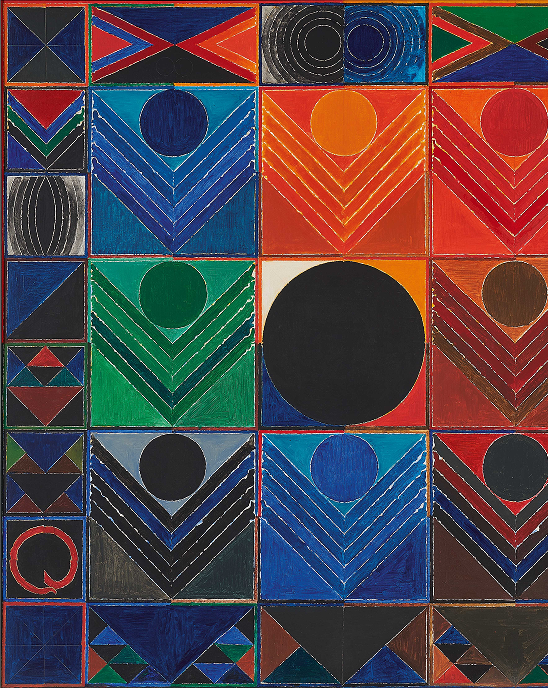
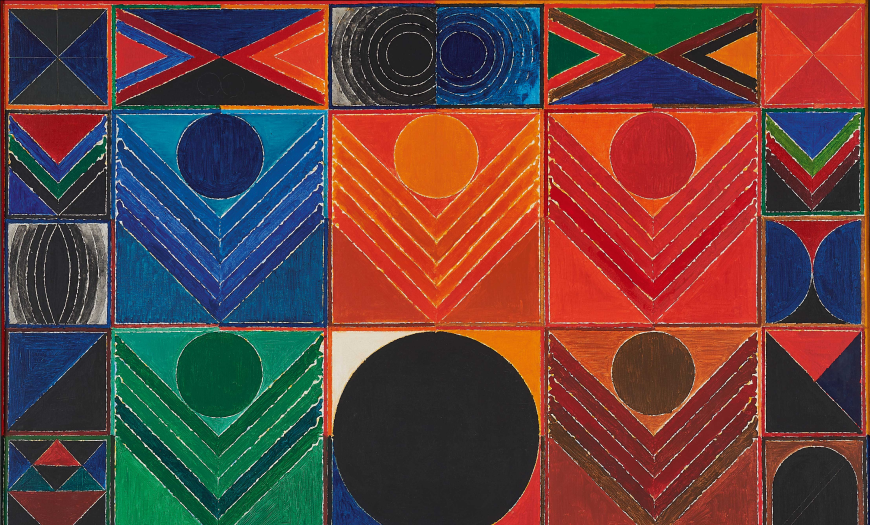
ShowKeen returned to Mumbai with its recent edition, an exhibition that brought together significant works by leading voices in Modern and Contemporary Indian art. The presentation reflected the breadth of India’s artistic landscape, spanning periods, practices, and perspectives.
featured artistS
AKBAR PADAMSEE
Akbar Padamsee’s oeuvre spans figures, metascapes and digital works, combining spirituality, mathematical precision and a deep engagement with light to create meditative and introspective compositions.
ANJOLIE ELA MENON
Anjolie Ela Menon’s practice is characterised by translucent layers of oil paint, drawing from medieval Christian iconography while exploring themes of distance, loss and the female form through a muted, luminous palette.
BAL CHHABDA
Bal Chhabda’s practice navigated between abstraction and figuration, creating fluid compositions while also playing a significant role as a gallerist and patron in shaping modern Indian art.
BIMAL DASGUPTA
Bimal Dasgupta’s practice traces a shift from landscape to abstraction, informed by philosophical inquiry. His works, often exploring cosmic and elemental themes, reflect a restrained palette and a visual language shaped by experimentation and introspection.
BIKASH BHATTACHARJEE
Bikash Bhattacharjee’s work blends realism with psychological intensity, portraying figures within urban settings to explore identity, social tension and the complexities of modern life.
C. D. Mistry
C. D. Mistry drew inspiration from Gujarat’s folk and tribal traditions, developing a distinctive visual language shaped by village culture, decorative forms and academic training.
CHINTAN ZALAVADIA
Chintan Zalavadia’s practice is shaped by everyday observation and humour, using stylised figuration to explore human relationships. His works, marked by exaggerated features and satire, reflect a distinct visual language rooted in lived experience and popular culture.
F. N. SOUZA
F. N. Souza, founder of the Progressive Artists’ Group, gained international recognition for his powerful human figures and ‘head’ studies exploring religion, sexuality and modern identity.
GANESH PYNE
Ganesh Pyne’s paintings evolved from watercolour to tempera, developing a distinctive visual language marked by skeletal forms, dark tonalities and recurring motifs that explored themes of life, death and memory.
Gurcharan Singh
Gurcharan Singh’s expressive figurative paintings portray individuals on the margins of urban society, using bold colour and dense compositions to reflect human vulnerability and resilience.
Himmat Shah
Himmat Shah explored form through drawing, relief and sculpture, creating terracotta and bronze heads that investigate texture, materiality and the fragile condition of human existence.
Jehangir Sabavala
Jehangir Sabavala was a master of quietude, known for his luminous, contemplative landscapes and architectural forms. Educated in Europe and influenced by Cubism, he developed a distinctly poetic visual language shaped by light and stillness.
Jhupu Adhikari
Jhupu Adhikari’s expressive portraits and mixed-media works reveal restless experimentation with line, form and diverse visual themes, bridging Eastern traditions and Western modernism.
JAYASRI BURMAN
Jayasri Burman’s works, often rendered in watercolour, depict mythical narratives through vibrant colours and hybrid figures, blending human and animal forms with a focus on feminine imagery.
JOGEN CHOWDHURY
Jogen Chowdhury’s work is distinguished by sinuous lines, crosshatched textures and expressive figures, often set in enigmatic spaces that reflect themes of social reality, tension and quiet resilience.
K. H. ARA
K. H. Ara, a founding member of the Progressive Artists’ Group, became known for his modernist still lifes and female nudes shaped by an intuitive and spontaneous approach.
K S RADHAKRISHNAN
K S Radhakrishnan’s sculptures are noted for their immediacy and robust, ritualistic figures that draw from performance and Hindu mythology, often rendered in materials such as bronze, beeswax and plaster of Paris.
KRISHEN KHANNA
Krishen Khanna’s figurative works capture everyday life with narrative sensitivity, most notably in his Bandwalla series portraying musicians and marginalised communities.
MAHIRWAN MAMTANI
Mahirwan Mamtani’s practice engages with constructivism, philosophy and Tantra, articulated through geometric structures. His works, often centred on the idea of ‘Centro vision’, explore perception, identity and multiple states of consciousness.
M. F. Husain
M. F. Husain, a leading figure of modern Indian art and member of the Progressive Artists’ Group, created dynamic works drawing on mythology, history and India’s cultural traditions.
MANJIT BAWA
Manjit Bawa’s practice is defined by a distinct approach to figuration, using flat colour fields and simplified forms. His works, centred on mythological and spiritual themes, reflect a controlled visual language shaped by Indian miniatures and Sufi philosophy.
MEETALI SINGH
Meetali Singh’s practice centres on introspection and self-inquiry, approached through a refined graphic language. Her works avoid fixed narratives, instead engaging with personal thought processes, where painting becomes a means to explore identity beyond defined socio-political contexts.
NIREN SENGUPTA
Niren Sengupta’s paintings reflect spiritual inquiry and inner thought, shaped by his academic training and long teaching career. His works are marked by a quiet visual language that expresses introspection, emotion, and a sense of calm.
N S BENDRE
N S Bendre’s practice spans landscape, portraiture and abstraction, shaped by travel and academic training. His works, marked by evolving styles from impressionism to modernist experimentation, reflect a sustained engagement with colour, form and environment.
Paresh Maity
Paresh Maity is known for his expansive landscapes and expressive use of colour, creating luminous compositions that reflect movement, atmosphere and the diversity of Indian terrain.
RAM KUMAR
Ram Kumar’s practice evolved from early figurative works to deeply contemplative abstraction, shaped by his engagement with post-independence India. His paintings, marked by muted palettes and structured forms, reflect a quiet exploration of urban landscapes and inner states.
SATISH GUJRAL
Satish Gujral’s multidisciplinary practice encompassed painting, sculpture, murals and architecture, reflecting a pursuit of a distinctly Indian modernism shaped by personal experience and cultural narratives.
S H RAZA
S H Raza’s work brought together modern abstraction and Indian spiritual thought, most notably through his Bindu motif, which symbolised the cosmic centre and became central to his visual language.
SADANAND BAKRE
Sadanand Bakre’s practice bridges sculpture and painting, shaped by his role in early Indian modernism. His works, marked by distortion and abstraction, explore the human figure through geometric structures and a distinctly sculptural approach to composition.
SAKTI BURMAN
Sakti Burman’s practice draws from memory, mythology and personal history, articulated through a layered visual language. His works, often resembling aged frescoes, present dreamlike figures and narratives that bridge childhood recollection with imagined worlds.
SITAL CHANDRA BANDYOPADHYAY
Sital Chandra Bandyopadhyay’s practice centres on devotional themes, reinterpreting traditional imagery through a personal lens. His works, often depicting Krishna in varied narratives, reflect a visual language rooted in popular culture and regional dissemination.
Thota Vaikuntam
Thota Vaikuntam is celebrated for his stylised depictions of rural Telangana figures, particularly women, rendered through sculptural forms, bold contours and saturated colour.
TYEB MEHTA
Tyeb Mehta’s paintings reflect a synthesis of modernist approaches and Indian themes, with later works focusing on mythological subjects and iconic figures rendered through a stark, powerful visual language.
SUHAS BHUJBAL
Suhas Bhujbal’s practice draws from early exposure to artisanal craftsmanship in rural Maharashtra and formative years in Pune. His works span architecture, cityscapes, and figuration, shaped by observation, travel, and everyday life.
CHERU FRANCIS
JOHN
John's works explore spirituality and human emotion through expressive surface treatment.
Chittrovanu Mazumdar
Chittrovanu Mazumdar’s practice spans painting, installation and sculpture, creating atmospheric works that merge abstraction with layered surfaces and contemplative visual narratives.
OMPAL SANSANWAL
Ompal Sansanwal’s works are characterised by layered compositions and vibrant hues, used to depict expansive themes through a richly textured and expressive visual language.
PHANEENDRA NATH CHATURVEDI
Phaneendra Nath Chaturvedi’s works present skeletal, anthropomorphic figures that critique contemporary society, exposing themes of artificiality and corruption through stark and provocative imagery.
PRABHAKAR KOLTE
Prabhakar Kolte’s practice is grounded in abstraction, shaped by intuition and sustained exploration of material. His works, defined by layered surfaces and fluid forms, reflect a contemplative approach to colour, space and inner experience.
TOM VATTAKUZHY
Tom Vattakuzhy’s paintings evoke quiet domestic scenes shaped by memory and migration, using subtle light and atmosphere to reflect solitude and emotional absence.
VINOD SHARMA
Vinod Sharma’s practice centres on landscape, informed by direct observation and memory. His works, marked by subtle colour and quiet compositions, reflect an attempt to translate lived experience into a calm and meditative visual language.
An Experience Shaped for Attention
ShowKeen Mumbai presented each work within a setting designed for considered viewing, allowing form, material, and artistic intent to be experienced with clarity. A restrained curatorial approach created space for deeper engagement, inviting reflection on the dialogues between modern and contemporary practices.
A Moment to Engage with Indian Art
Set within the Nehru Centre in Worli, the Mumbai edition offered a focused encounter with works spanning decades of Indian art-making, from iconic modernist expressions to dynamic contemporary perspectives.
The presentation brought together audiences for a two-day showcase, offering an opportunity to experience Indian art with intention and presence.
Panel Discussions
THE COLLECTORS’ EYE
How Great Collections Are Built Over Time
A conversation with serious collectors about how collecting begins, evolves, and matures into a legacy.
MODERN MASTERS
Why They Still Define The Market
A discussion on why artists like Husain, Raza, Souza, Gaitonde continue to dominate auction results and collector demand.
ART IN LUXURY LIVING
How Art Shapes The Identity Of Exceptional Homes
A conversation between architects, interior designers, and collectors about integrating art into luxury residences.
THE FUTURE COLLECTOR
How the Next Generation Is Engaging With Art
A discussion on how millennial and next-gen collectors are entering the art world.