ShowKeen – Modern and Contemporary India Art Exhibition in Mumbai

SHOWKEEN HYDERABAD 2026

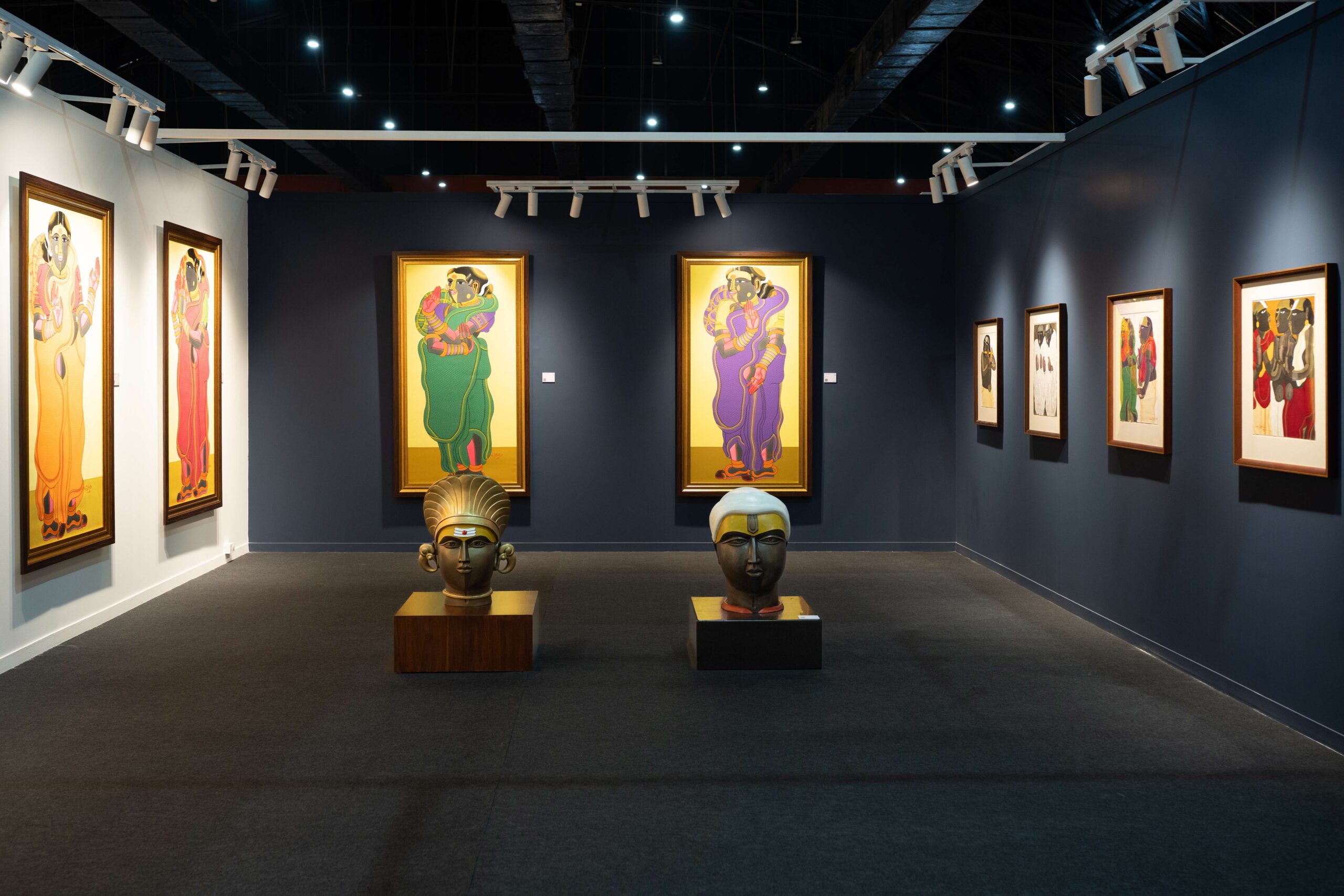
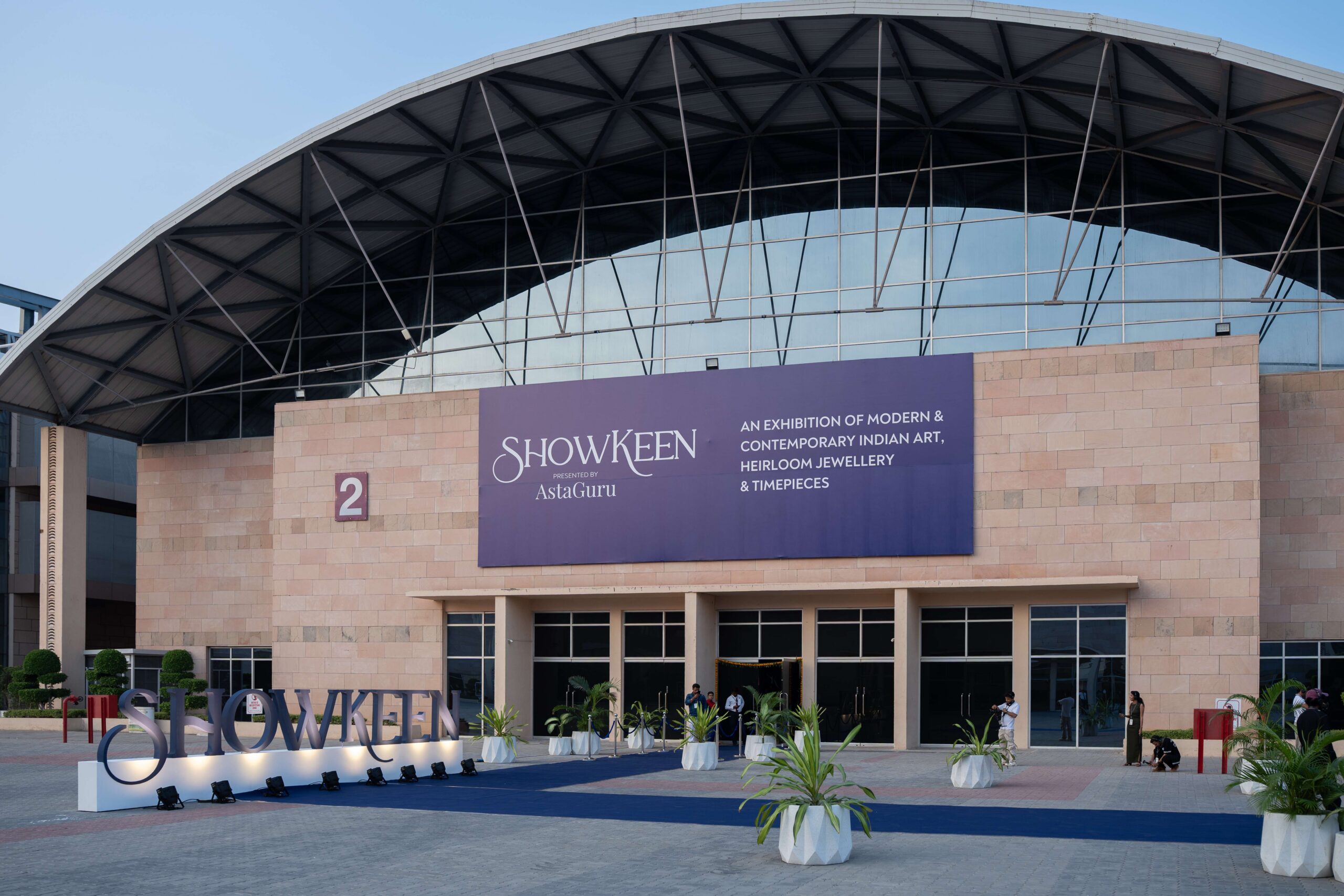
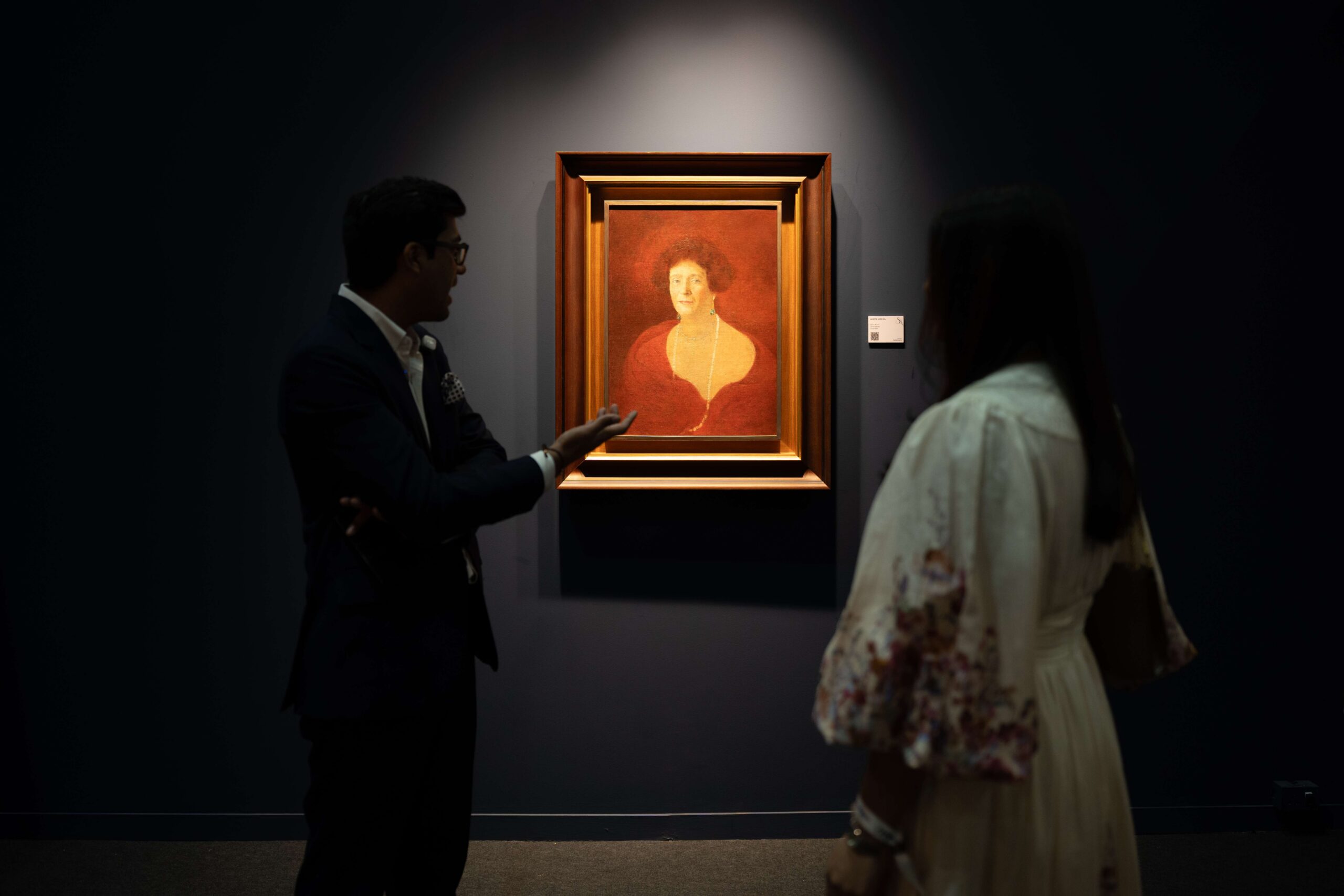
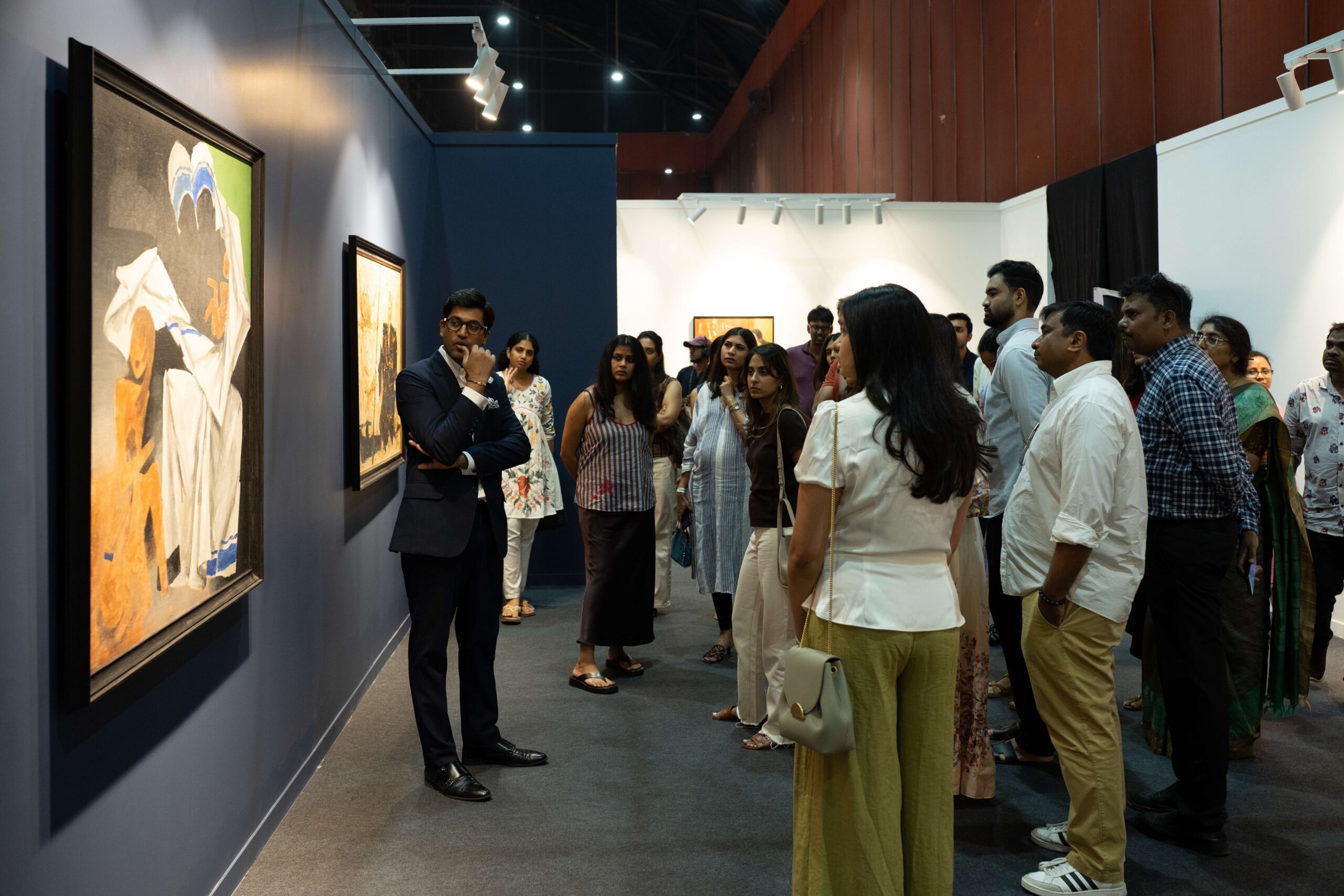
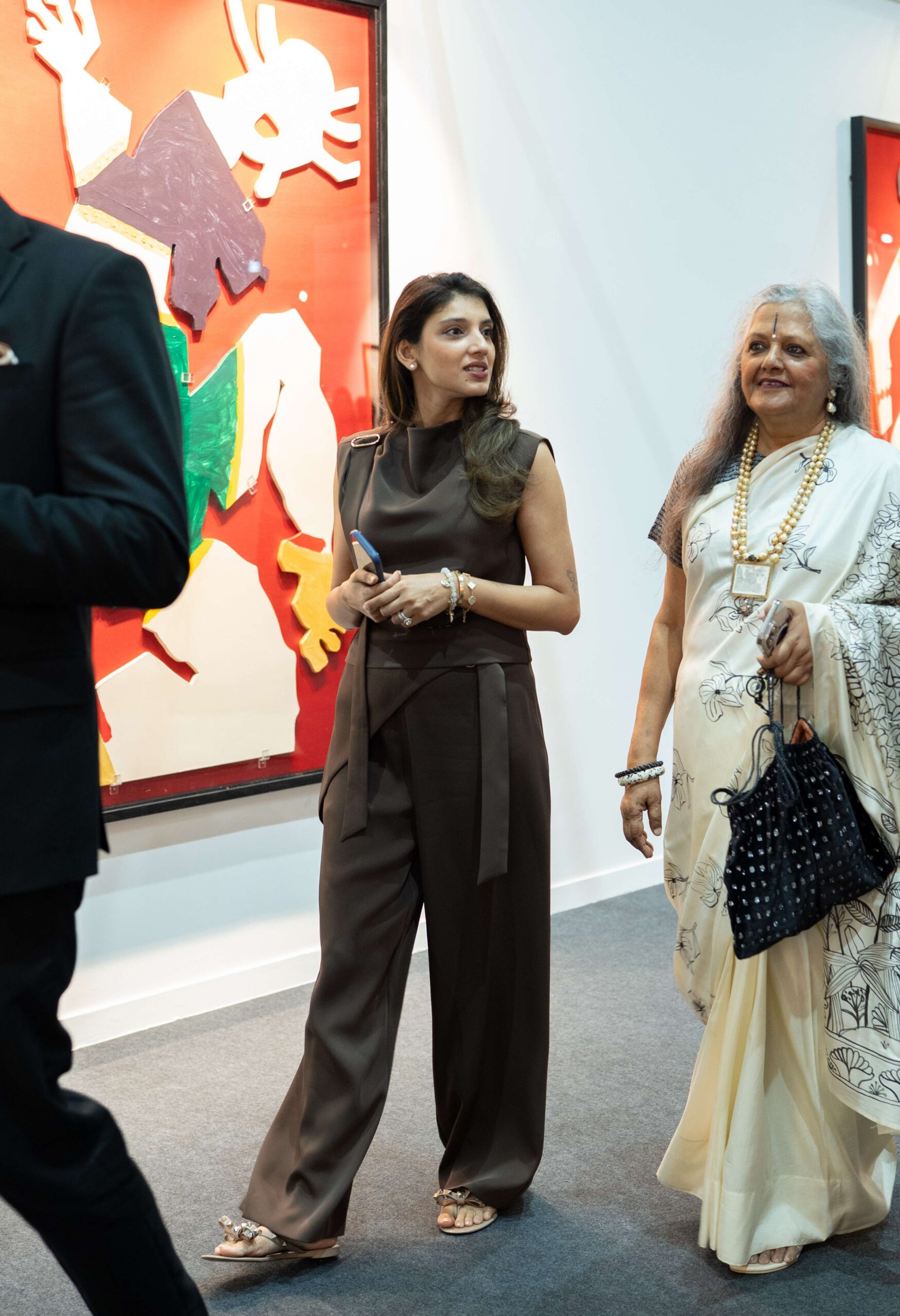
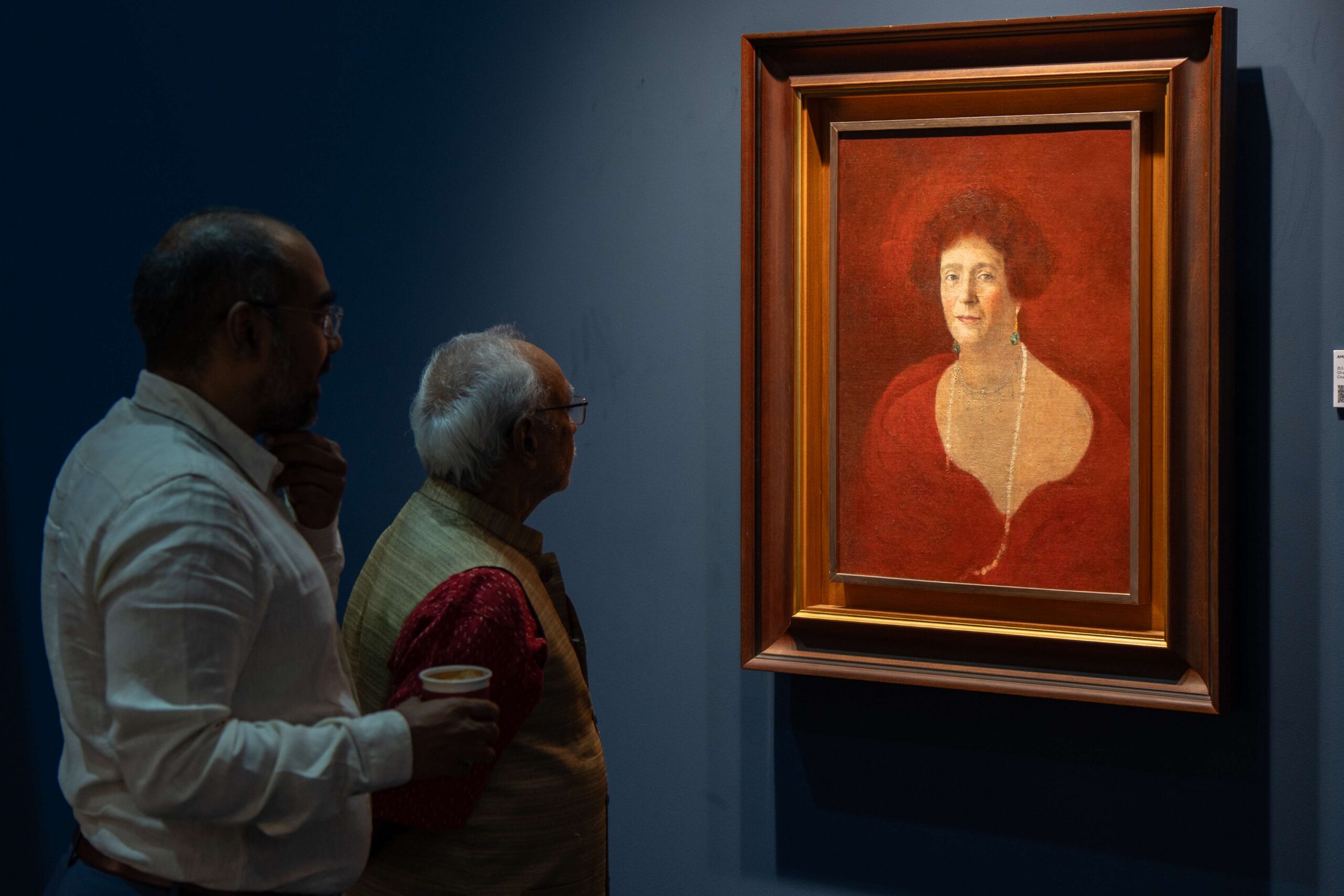
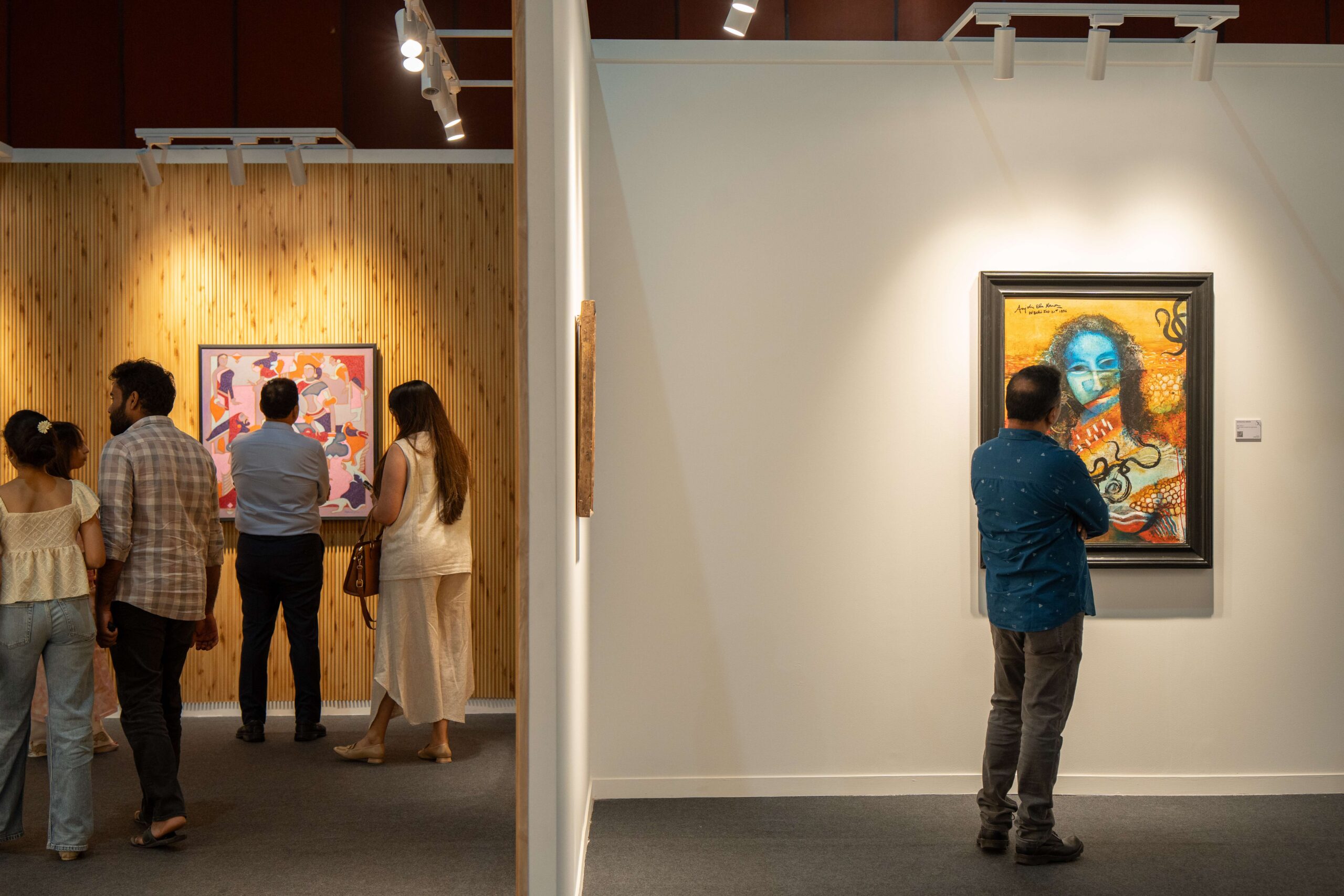
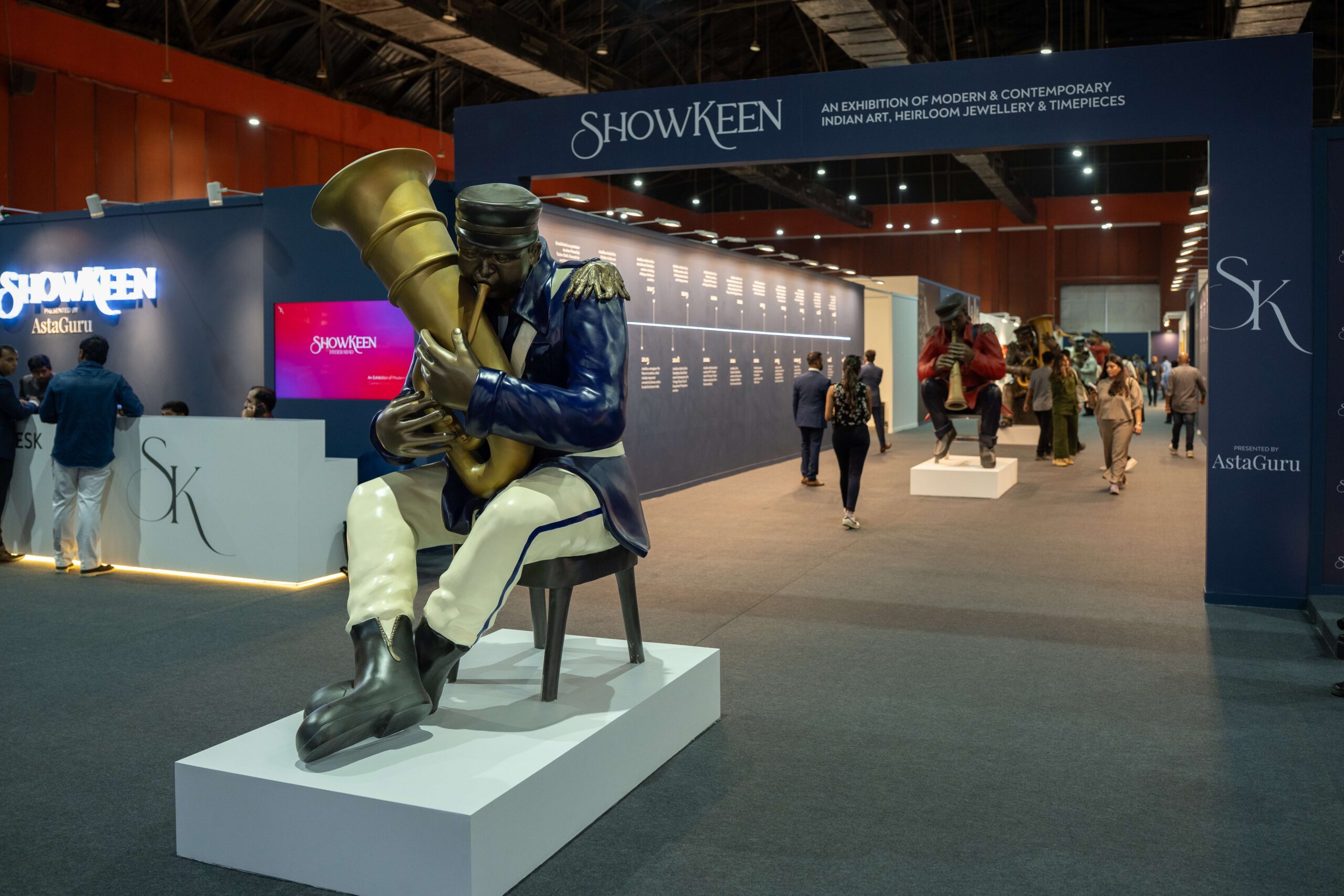
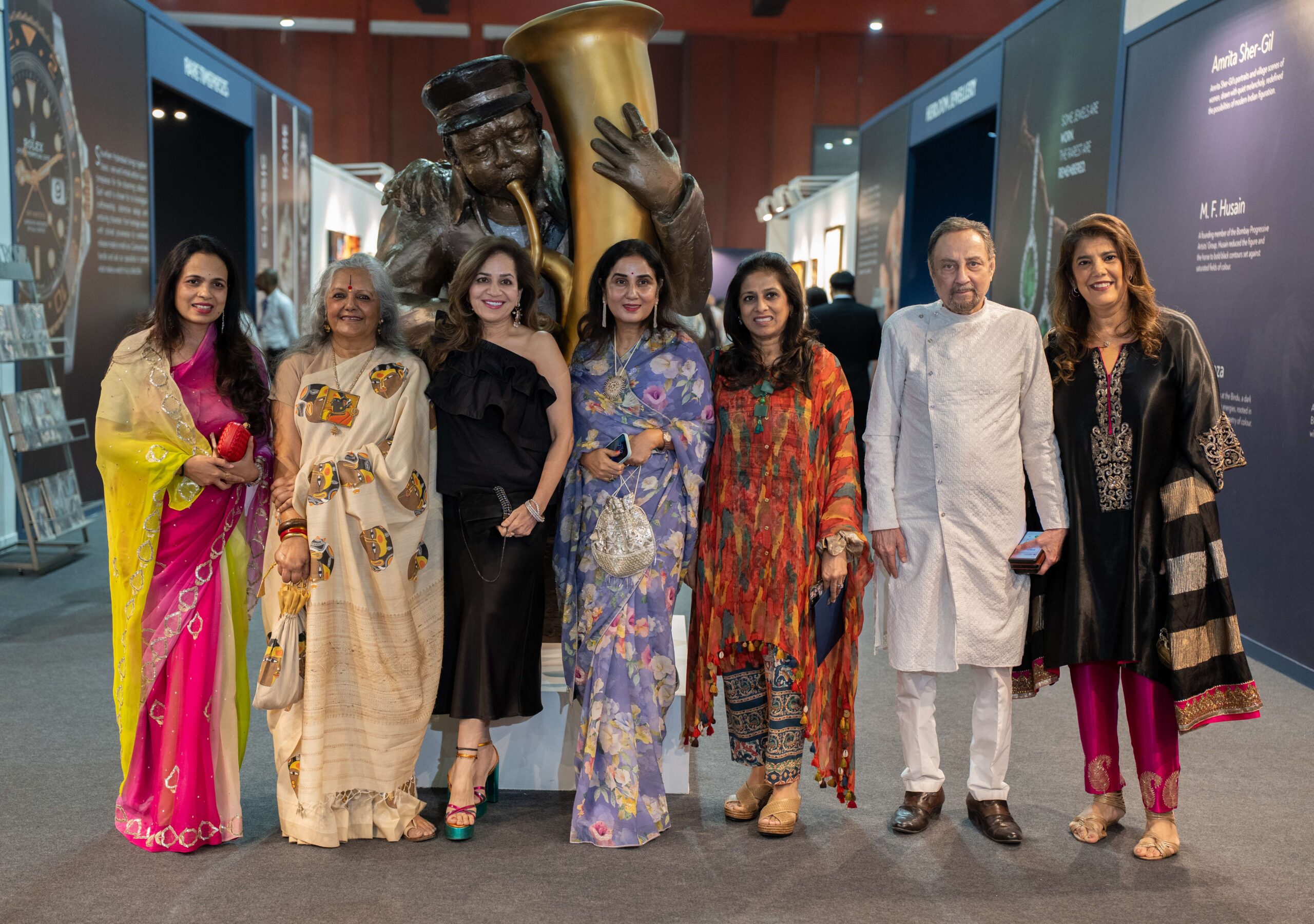
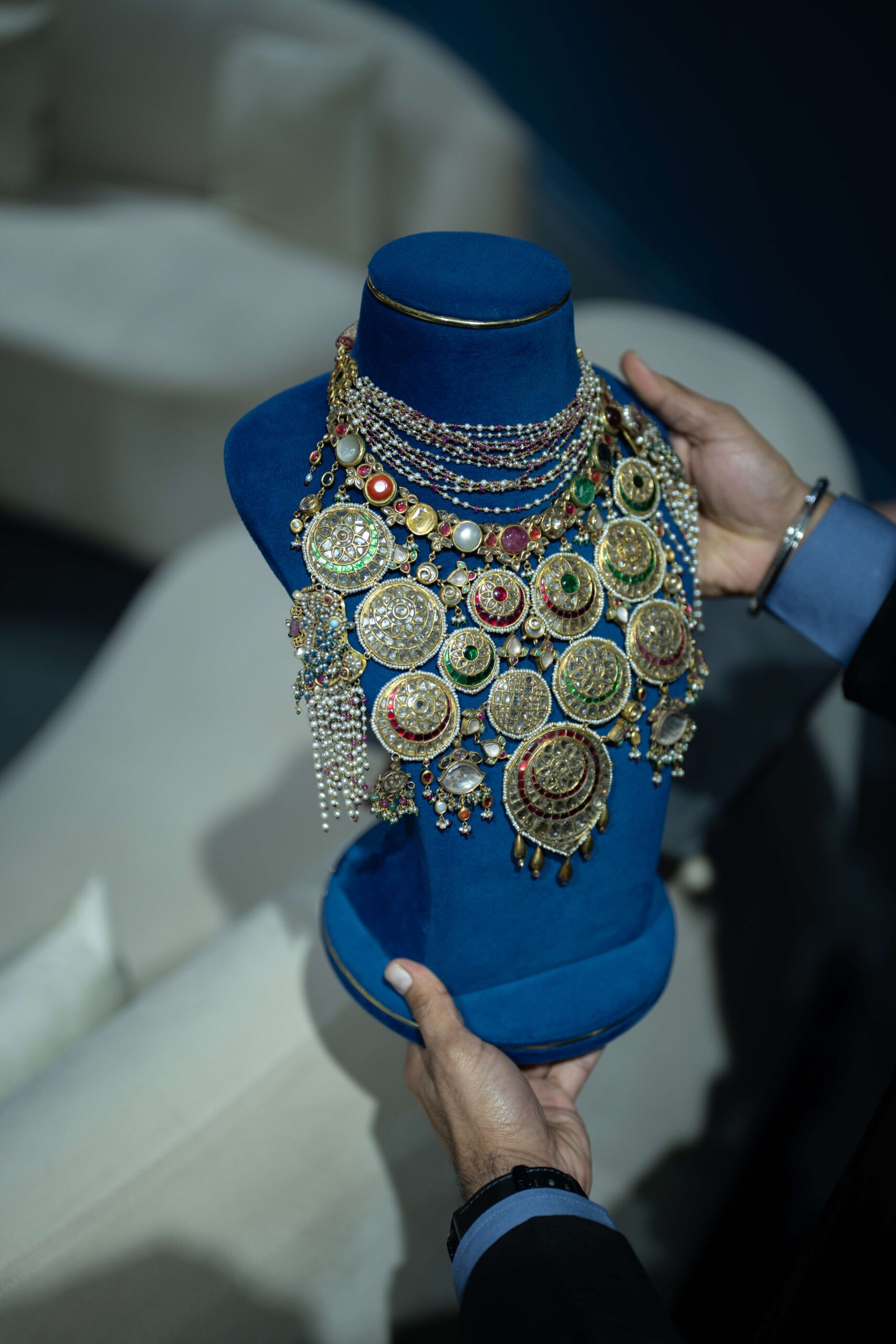
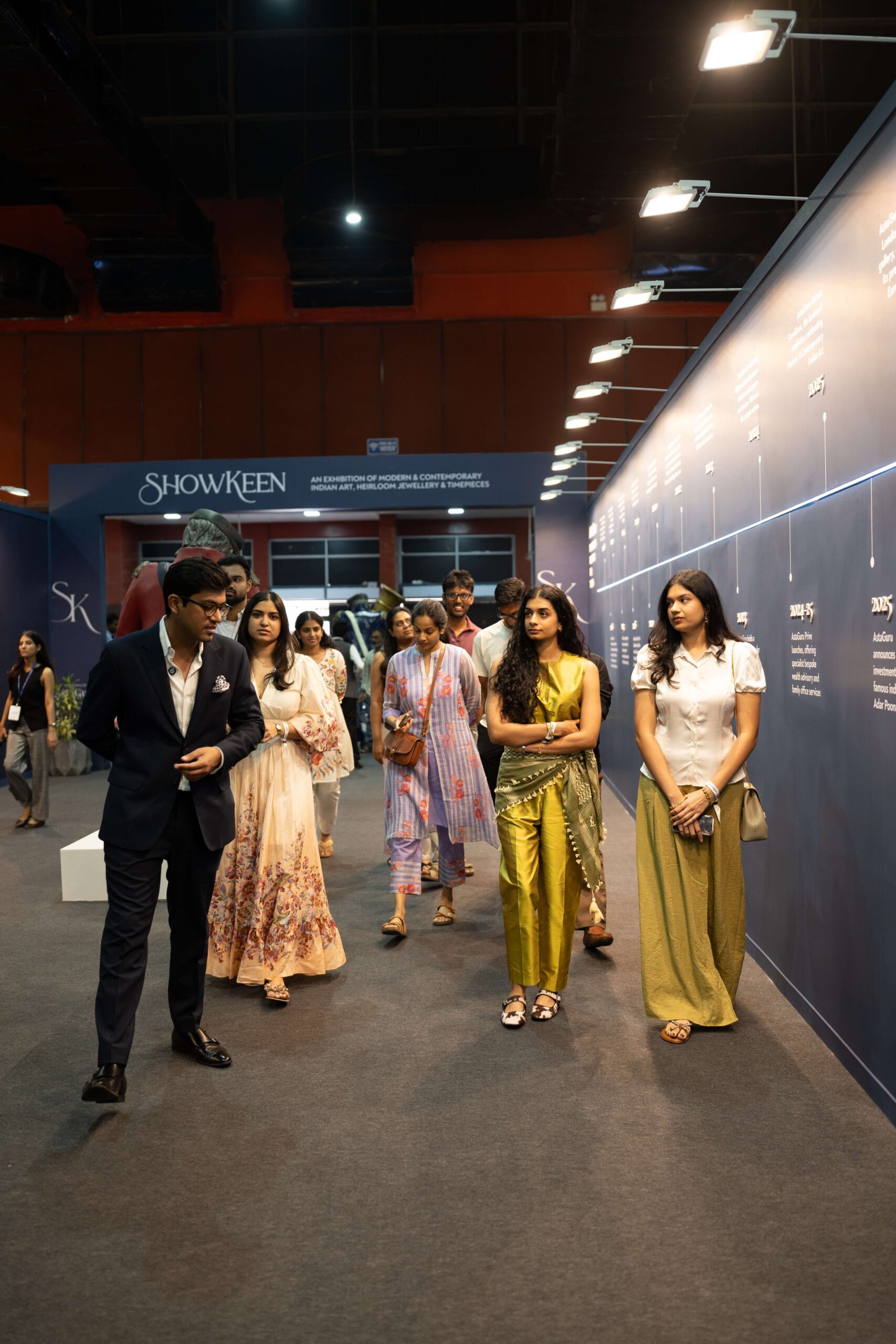
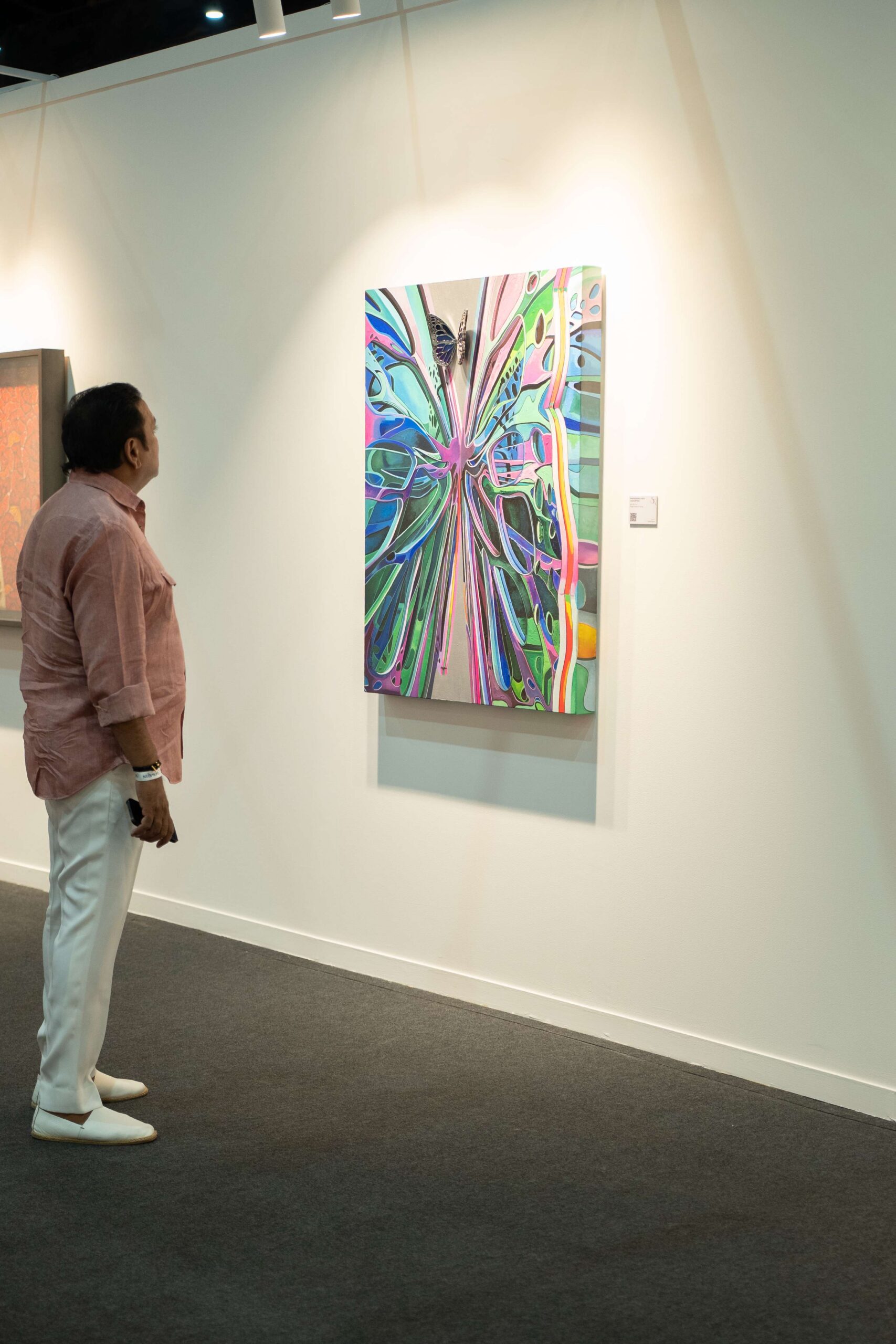
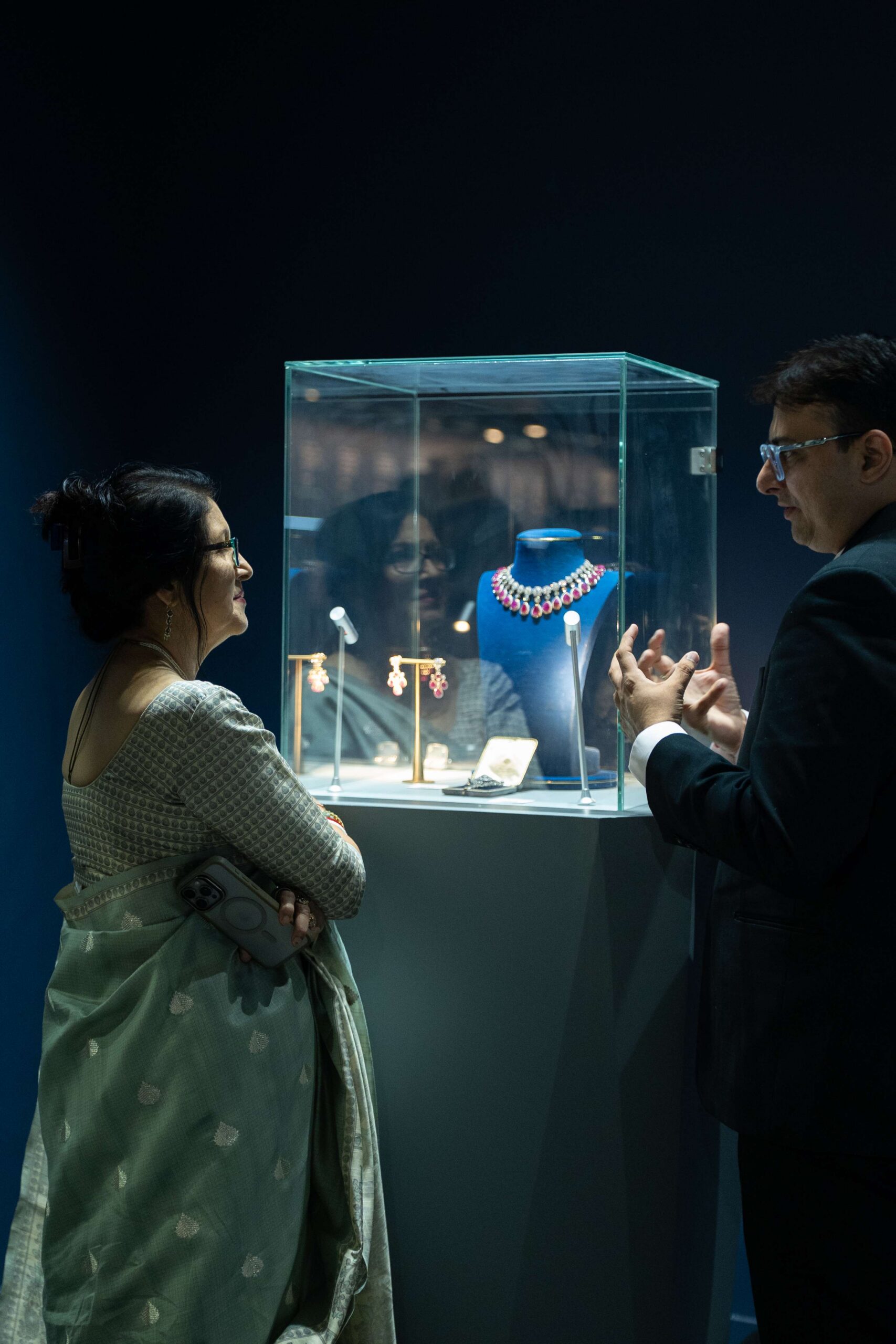
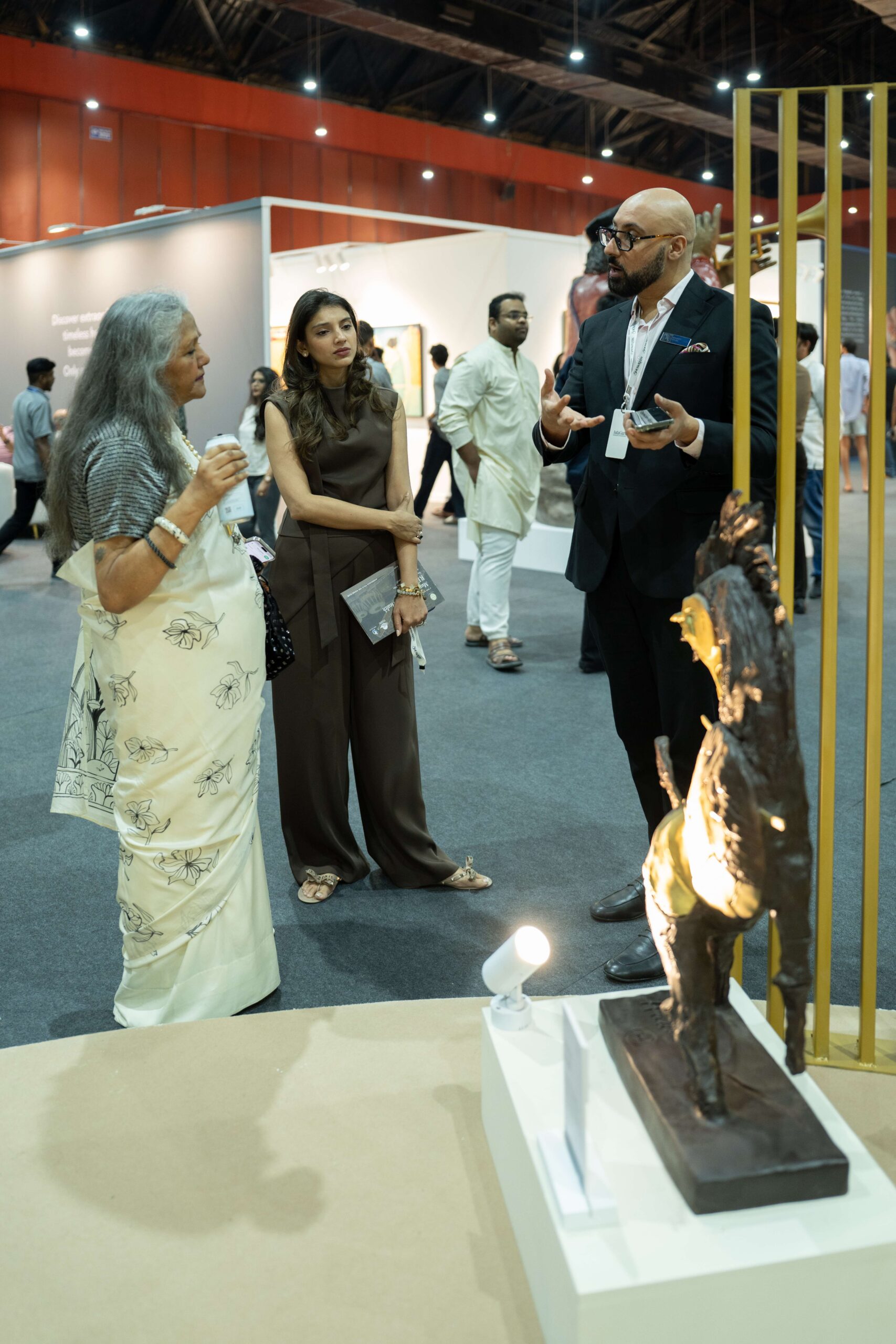
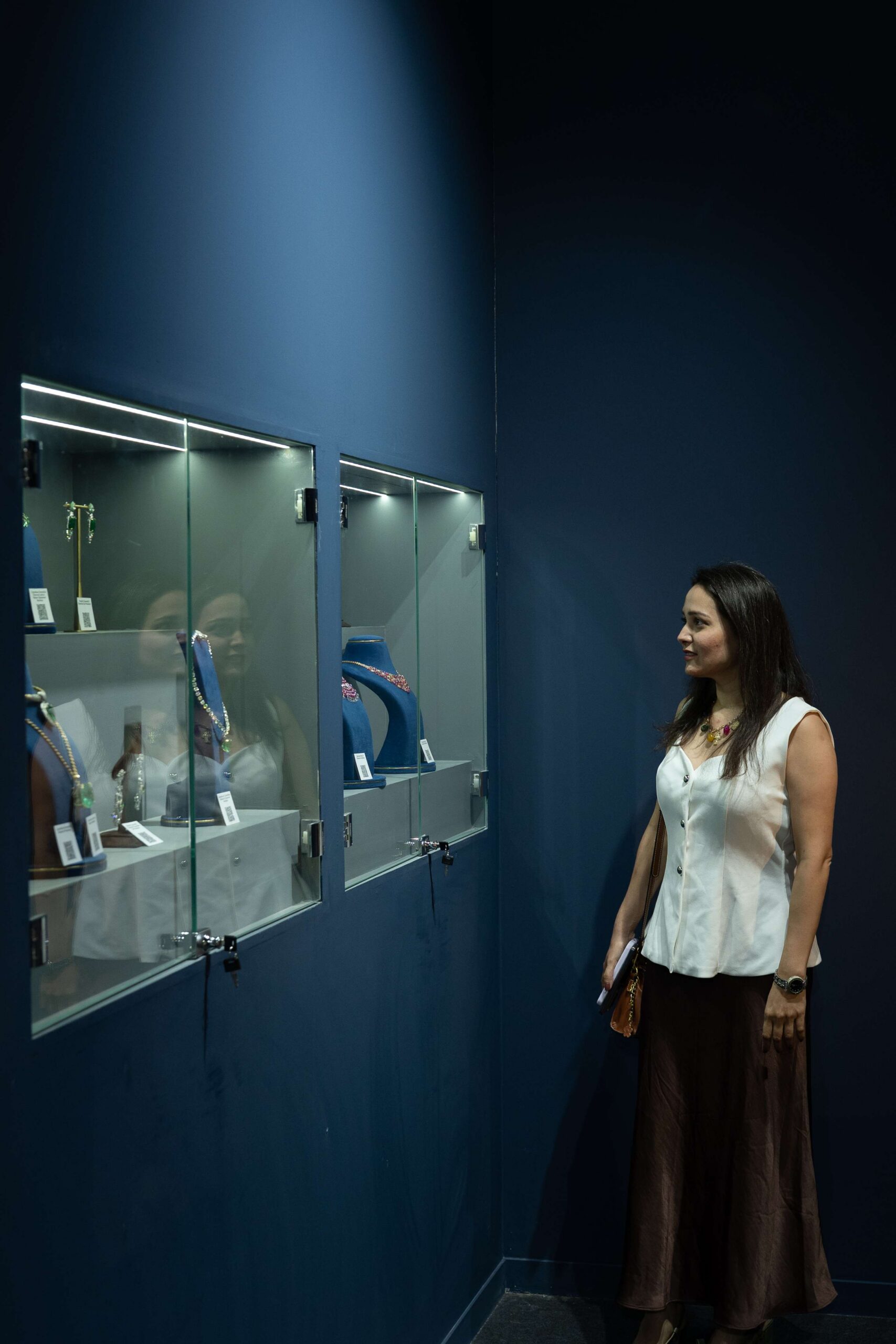
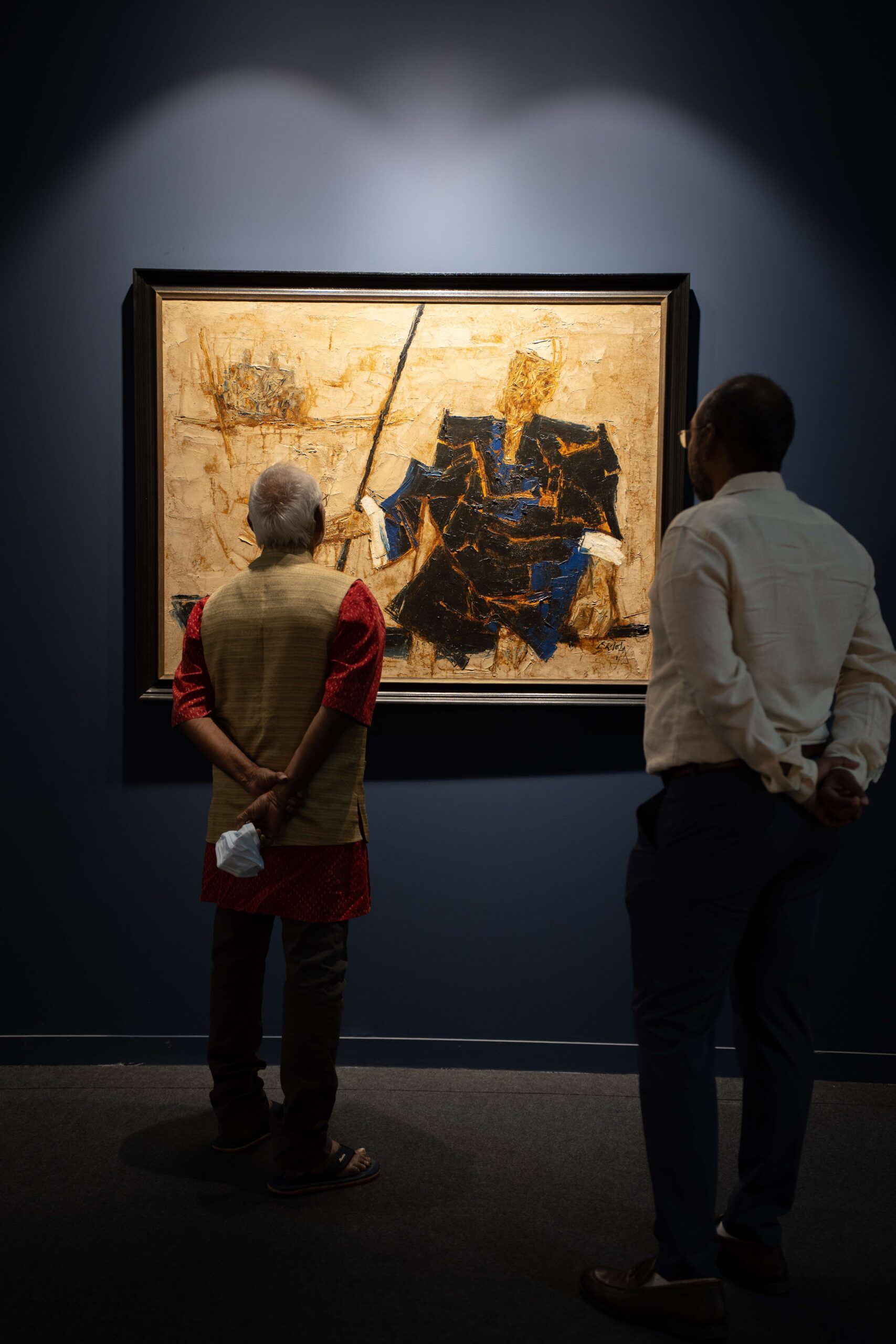
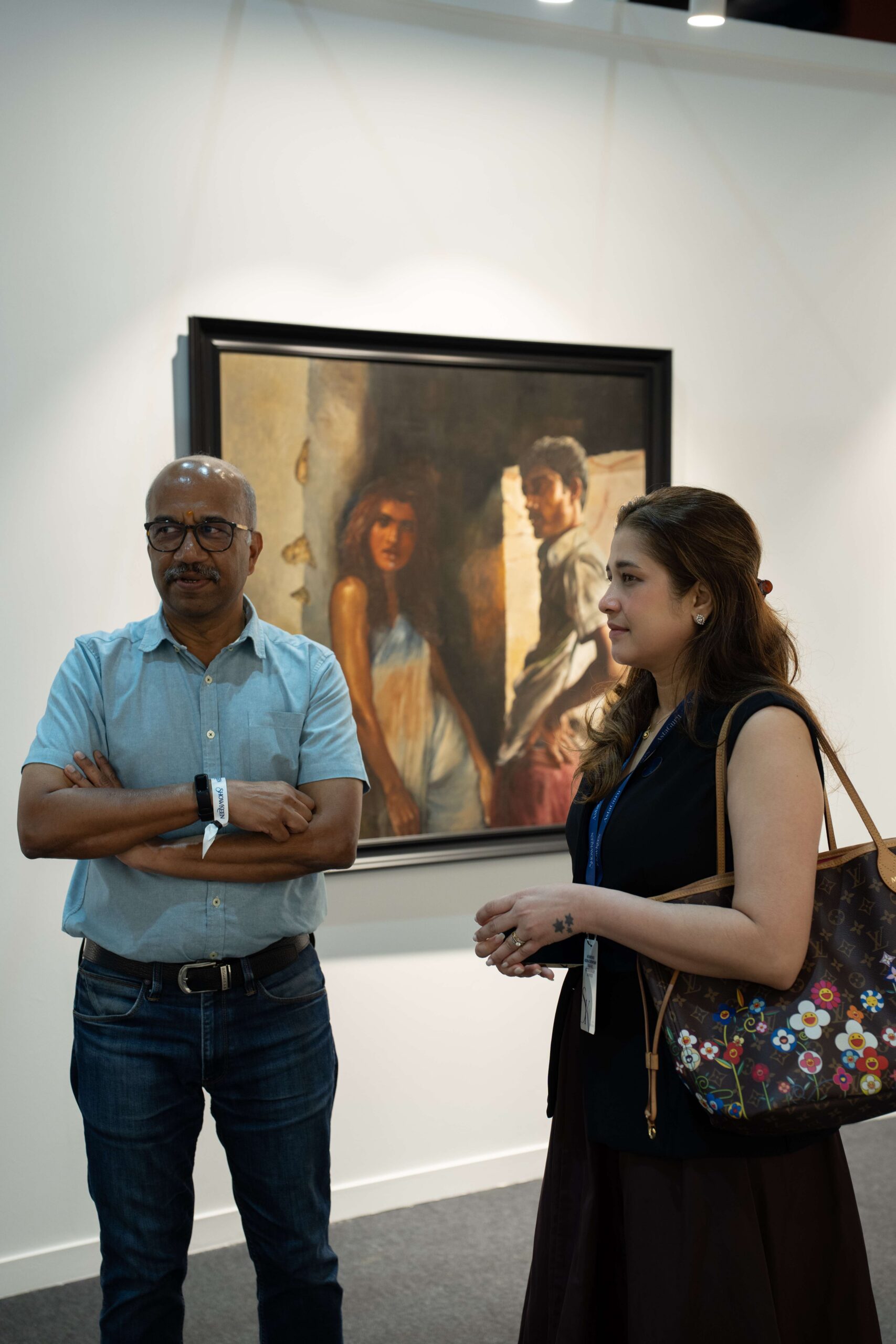
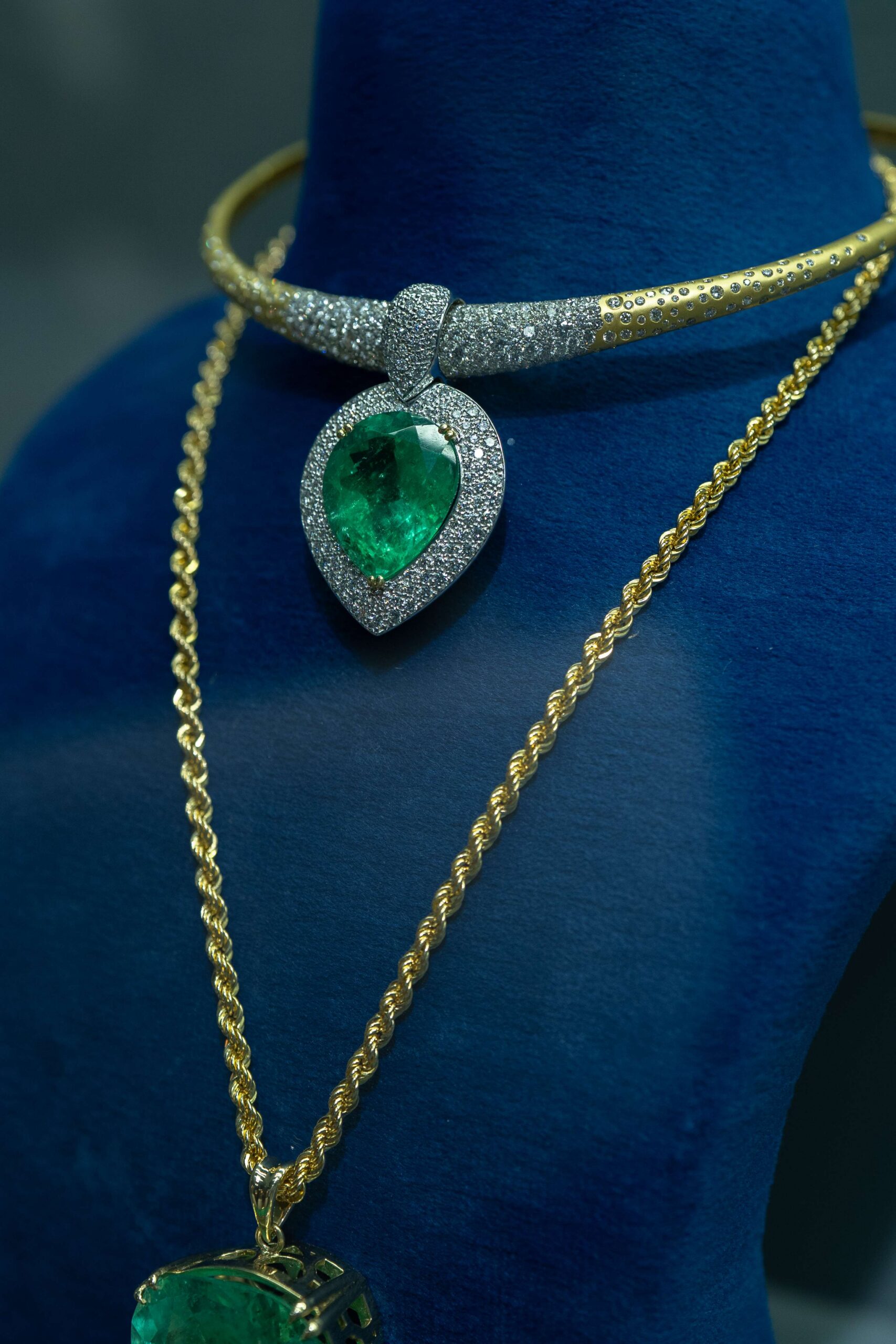
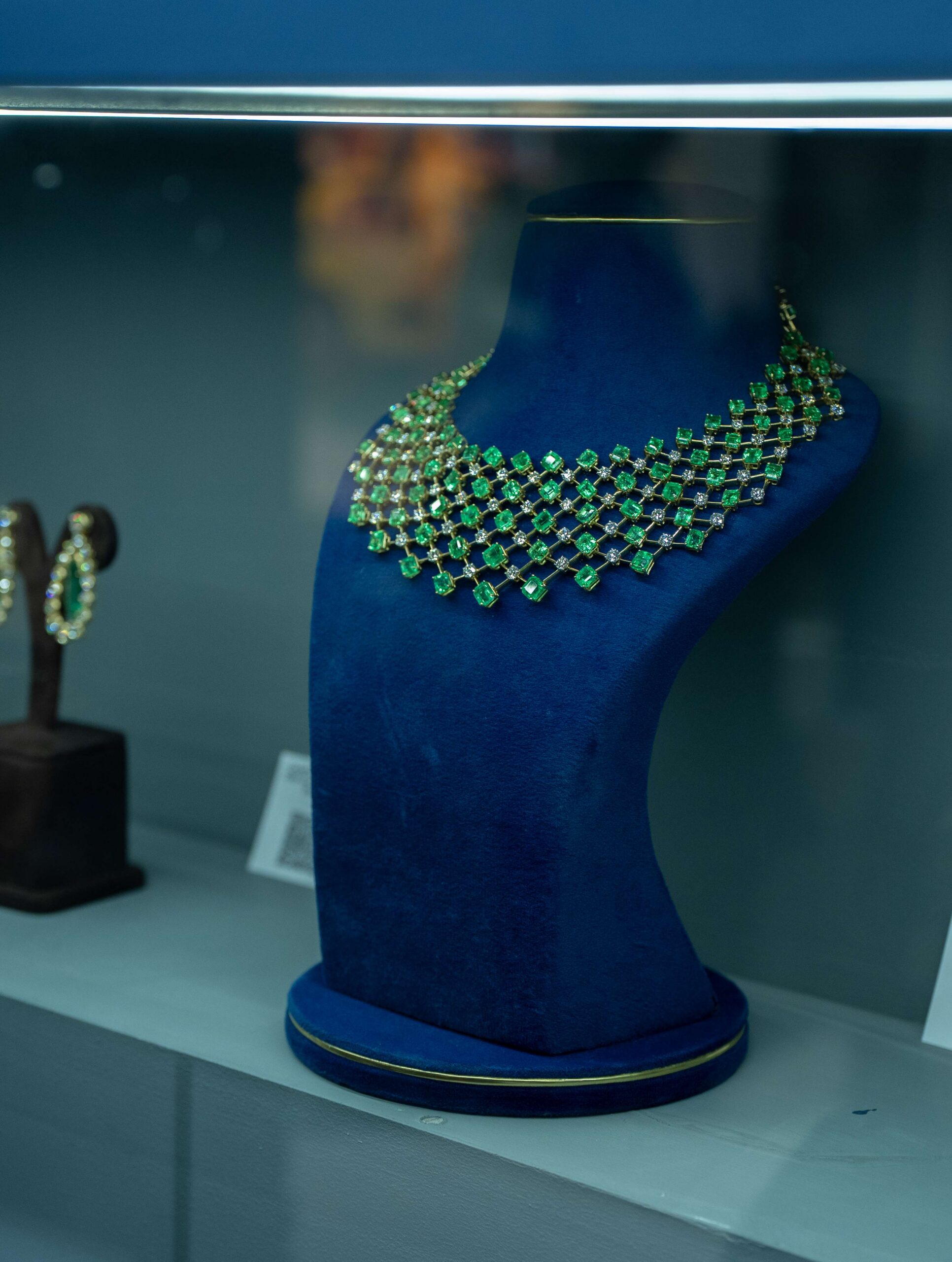
ShowKeen Hyderabad 2026 brought together a selection of Modern and Contemporary Indian Art, Heirloom Jewellery and Timepieces for a two-day showcase at HITEX Exhibition Centre on 17 and 18 October. Presented by AstaGuru, the fourth edition of ShowKeen marked the platform's debut in Hyderabad, a city shaped by centuries of royal patronage, artistic traditions and cultural heritage.

Amrita Sher-Gil

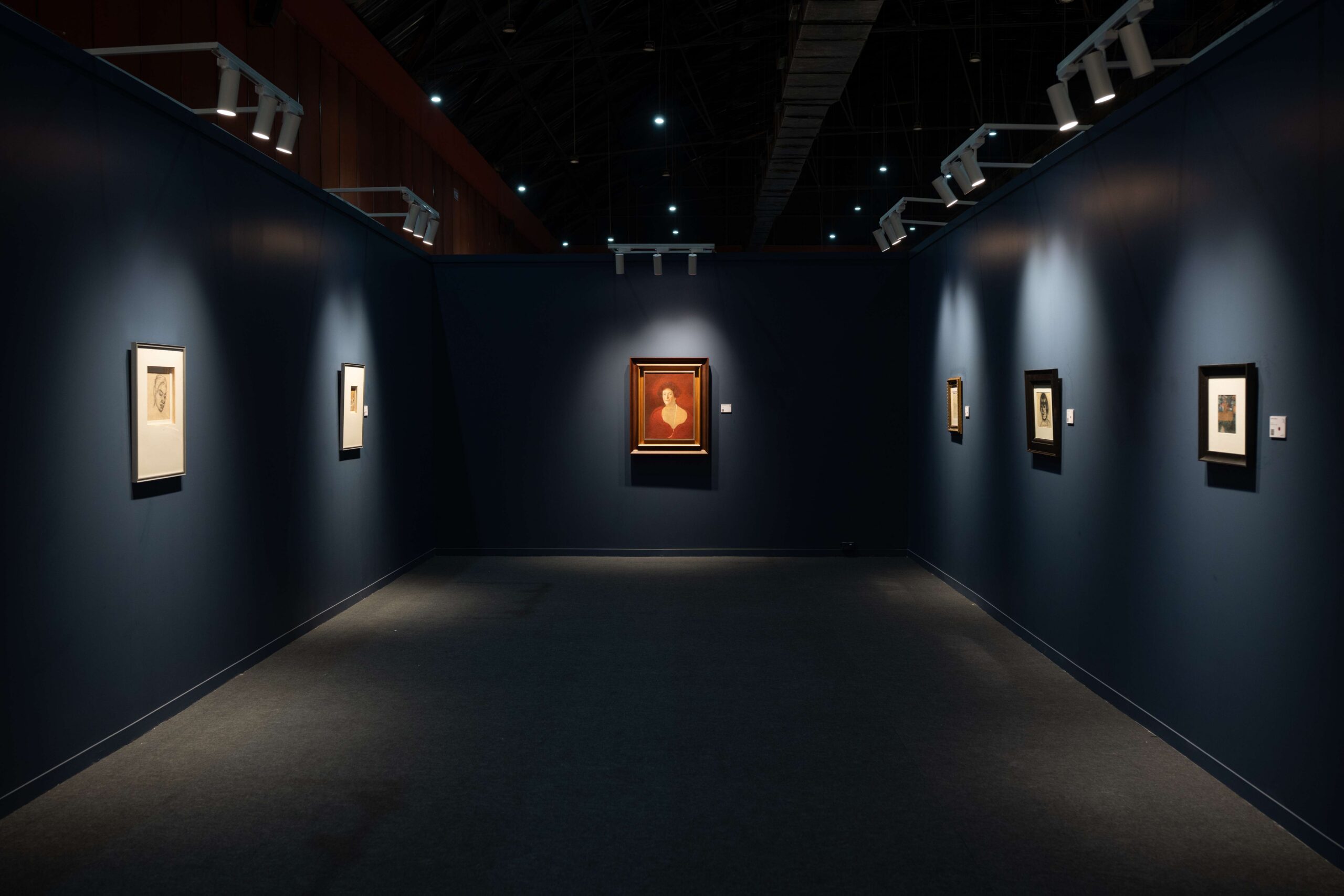
Amrita Sher-Gil fused European post-impressionist structure with the flattened planes and palette of Indian miniature and Ajanta painting. Her portraits and village scenes of women, drawn with quiet melancholy, redefined the possibilities of modern Indian figuration.

M. F. Husain

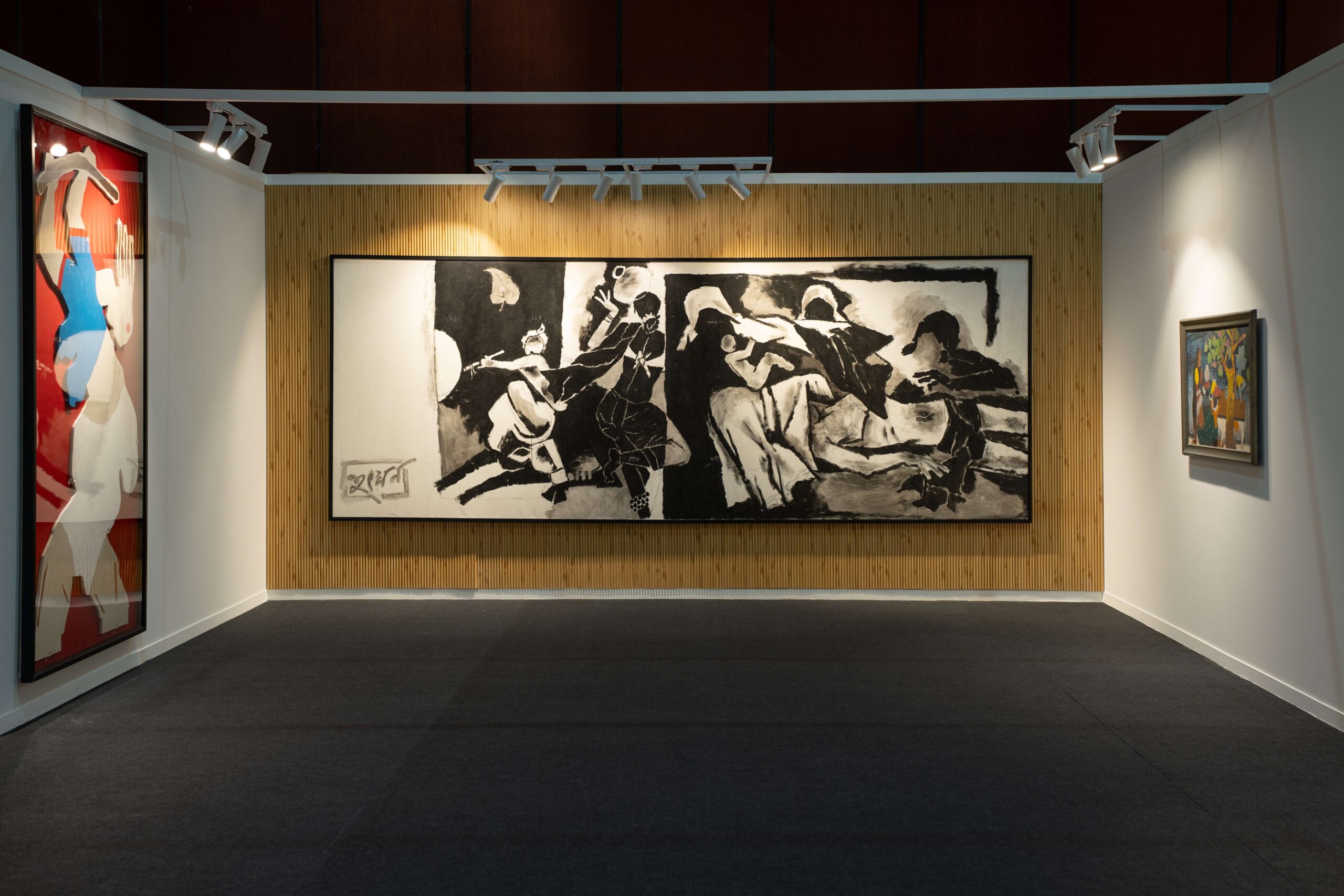
A founding member of the Bombay Progressive Artists’ Group, Husain reduced the figure and the horse to bold black contours set against saturated fields of colour. Drawing on epic, mythology and contemporary history, his work gave Indian modernism its most recognisable pictorial language.

S. H. Raza

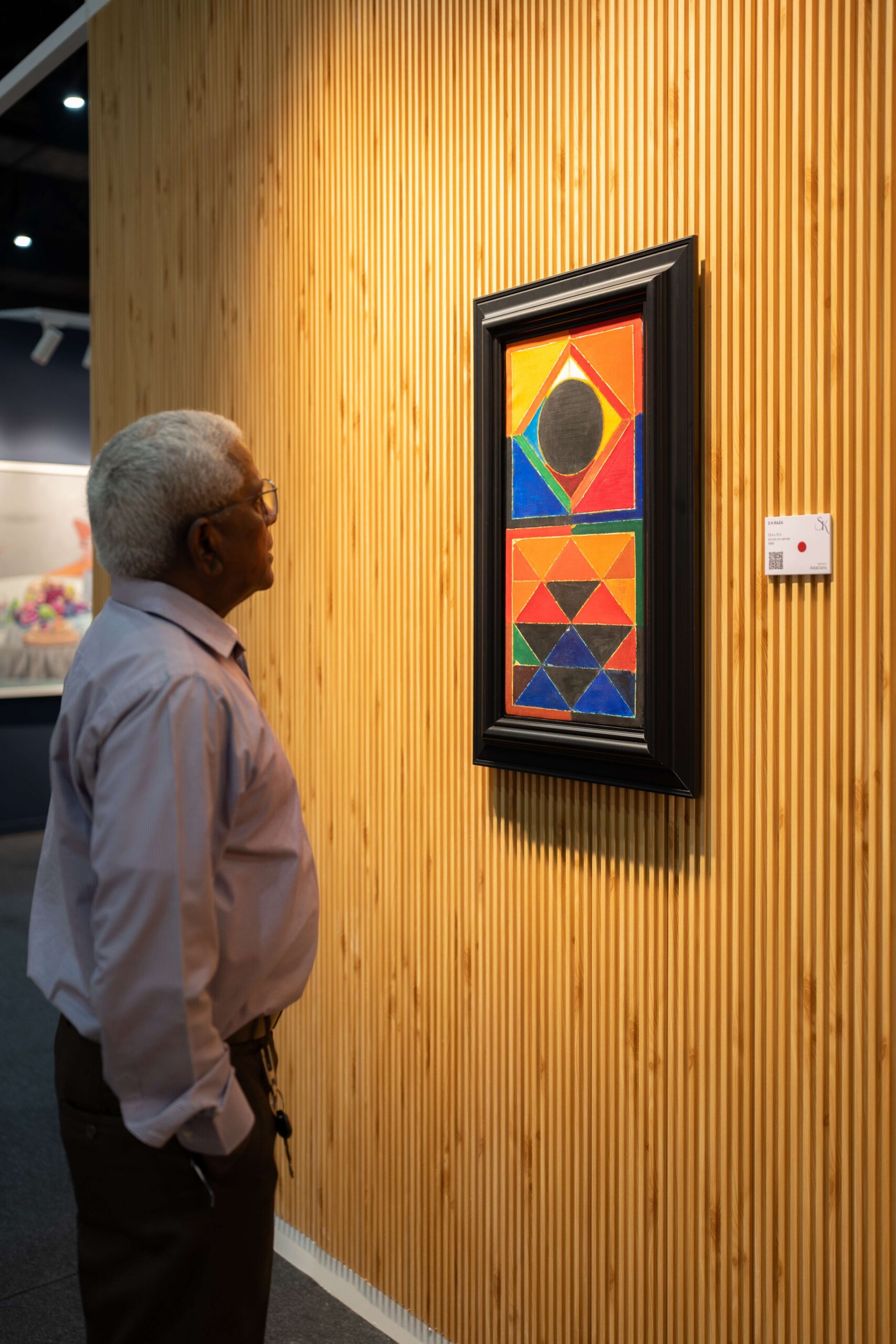
Beginning with expressive landscapes shaped by his years in France, Raza arrived in the 1970s at the Bindu, a dark point radiating concentric energies. Rooted in Indian cosmology and the geometry of colour, his mature work balances spiritual contemplation with rigorous formal order.

Krishen Khanna

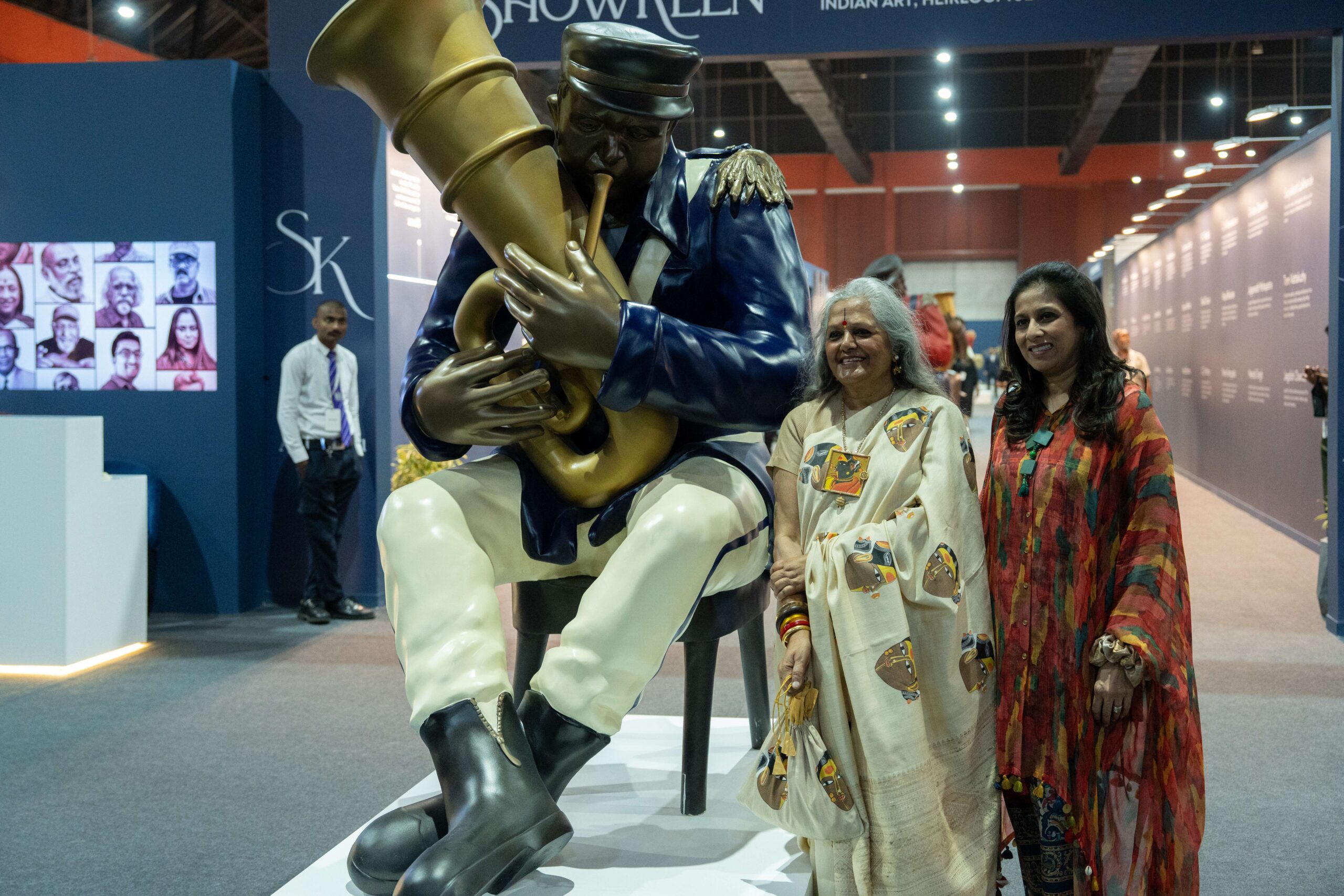
Krishen Khanna turned a banker’s observant eye to the working life of the city, including his famous Bandwallas. His figures, painted with painterly economy, carry a humane and often wry commentary on social ritual.

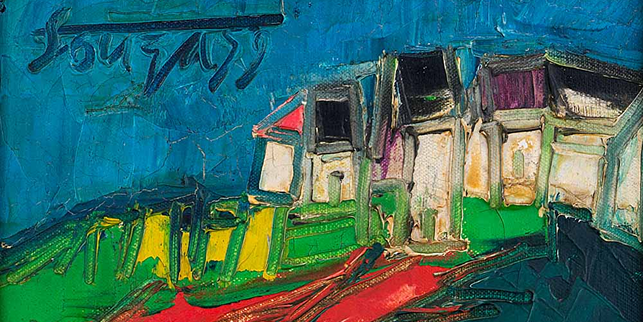
F. N. Souza

Founder of the Progressive Artists’ Group, Souza built an unsparing visual idiom from distorted heads, ferocious line and a charged use of colour. Christian iconography, the nude and satire meet in a body of work that is confrontational, erotic and deeply learned.

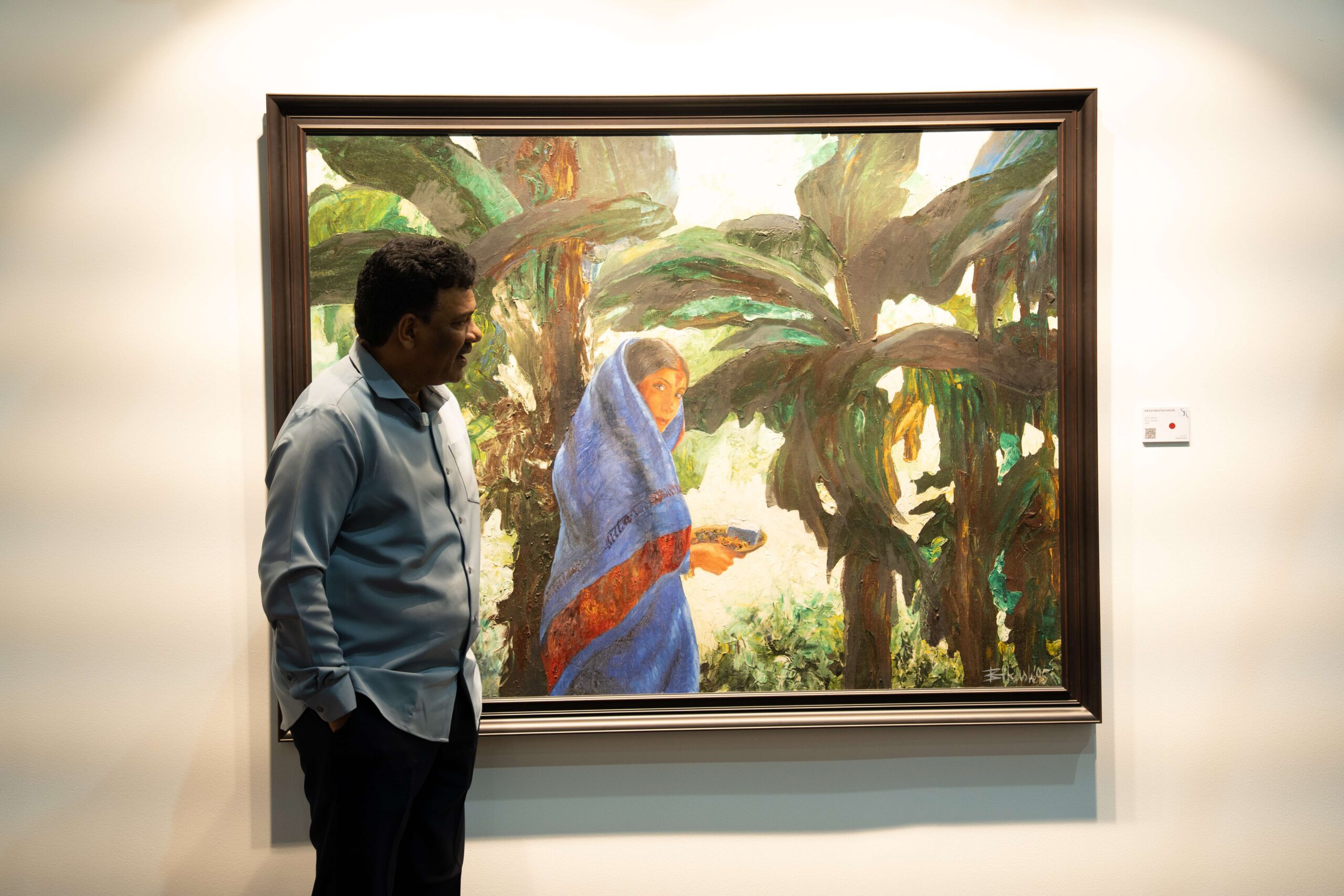
Bikash Bhattacharjee

A master of Bengal’s figurative tradition, Bhattacharjee painted the Calcutta middle class with a meticulous, almost photographic realism. His dolls, Durga figures and ageing matriarchs set beauty against decay, sharpened by quiet political allegory.

Ram Kumar

Early canvases of urban alienation gave way, after his encounter with Varanasi, to abstract landscapes of muted ochres and blues. Built from fractured planes, they evoke ruined cities and the river as states of inner solitude.

Anjolie Ela Menon

Her elongated, contemplative figures, shaped by Byzantine icons and Modigliani, glow with an amber luminosity. Windows, portraits and sacred imagery recur in work that sets Indian subjects within a European painterly inheritance.

K. H. Ara

One of the founders of the Progressive Artists’ Group, Ara worked chiefly in still life and the female nude, rendered in thick outlines and bold, flat colour.

Himmat Shah

Working across painting and sculpture, Shah is best known for his terracotta and bronze heads, with their rough, excavated surfaces and enigmatic expression. A member of Group 1890, he pursued primal form and material honesty over finish.

Vinod Sharma

Trained at the Delhi College of Art and at Baroda, Sharma paints abstract landscapes of mountains, rocks and endless plains in subdued tones and thin oils. His early printmaking gives the surfaces a graphic texture, and the largely figureless terrains slide between mountainscape and mindscape.

Ganesh Haloi

His translucent watercolours and gouaches dissolve landscape into architectonic fields of line and wash. Memory of rural Bengal informs these quietly abstract compositions, which move between geometric order and atmospheric softness.

Gurcharan Singh

Born in Patiala in 1949, Gurcharan Singh paints street performers, vendors, women, children and animals with strong contours, flattened perspective and a vibrant palette, often pairing human figures with animals.

Jhupu Adhikari

Trained in England in the early 1950s, Adhikari worked for decades in advertising and design, before returning to painting full-time in 1989. His eclectic work, inspired by Picasso and best known for the Clown series, carries a sharp social commentary through landscape, portrait and still life.

Paresh Maity

Maity is known for luminous watercolours and oils that capture the light of famous cities and the coastline in fluid, confident brushwork. His landscapes and architectural vistas favour vivid colour and expansive spatial rhythm.

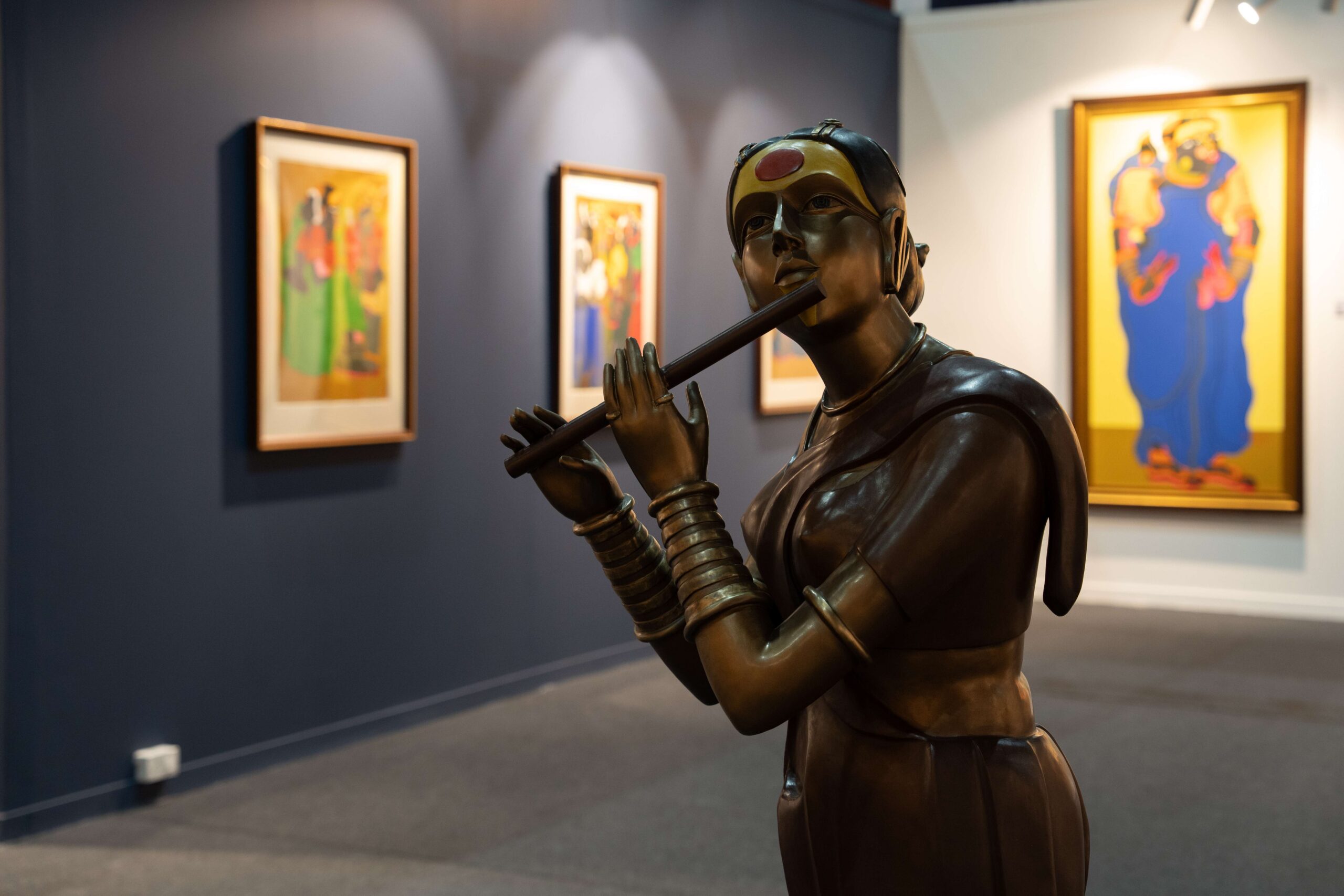
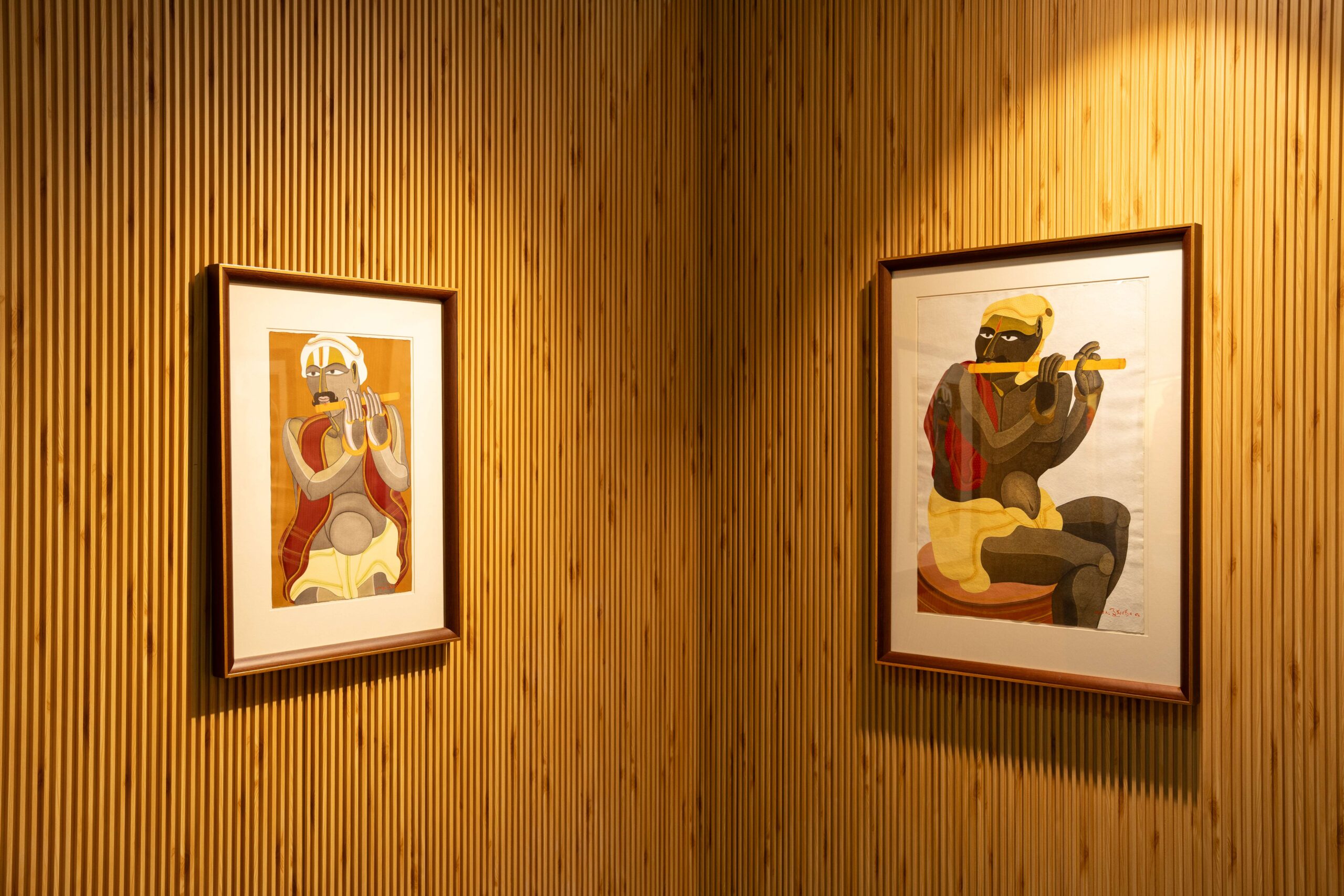
Thota Vaikuntam

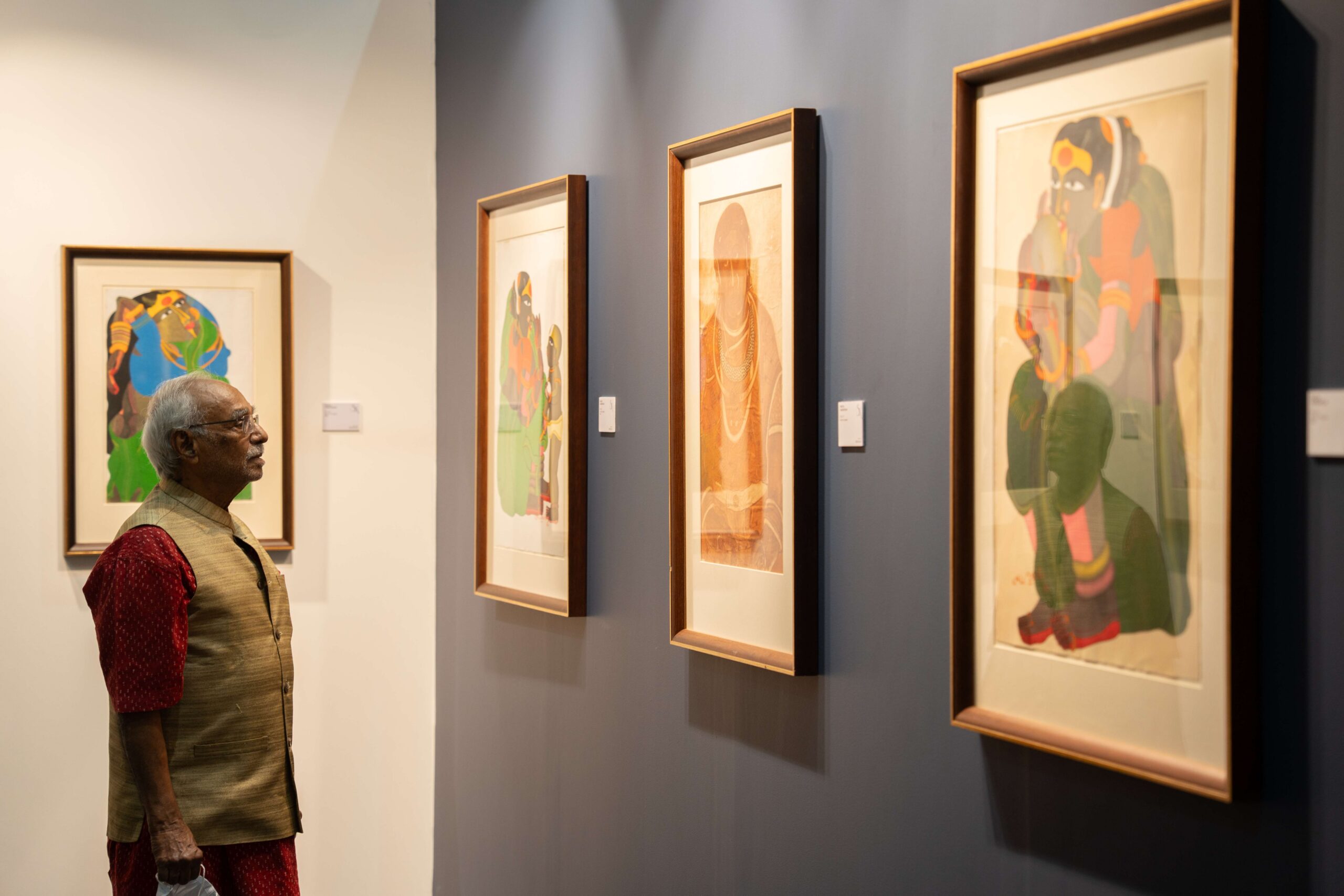
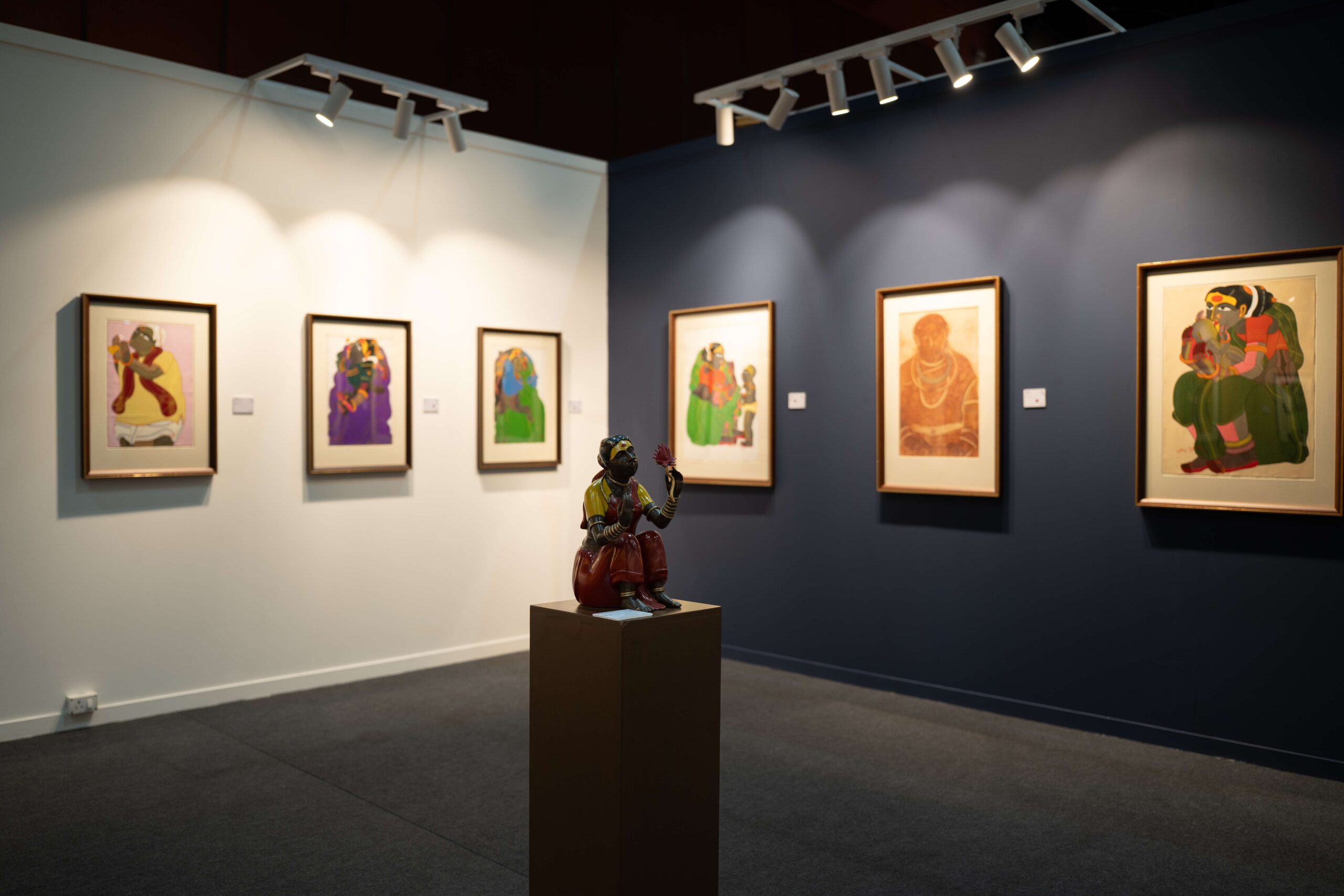
Rooted in the folk and rural culture of Telangana, Vaikuntam paints Telugu women and men in rhythmic poses with large almond eyes and strong black contours. His earthy palette of reds and ochres lends everyday figures a monumental, ceremonial dignity.

Parshotam Singh

Singh worked across several series, among them Mountains, Variety of Faces and Expressions, Sufis and Houris, and Jugni. He is best known for the Musicians series, which occupied him for many years and brought him wide recognition.

P. T. Reddy

A founding figure of the 1941 Young Turks group, Reddy preceded the Progressive Artists’ Group, and he drew on Post-Impressionism. His later work turned to Tantric style and themes from Indian mythology, shaped by folk motifs and flat colour.

Shail Choyal

Shail Choyal’s miniature-inspired style blends modern sensibilities with traditional motifs from folk Rajasthani painting. He joins the allegorical to the real, using the multi-tiered space of Rajasthani painting in vibrant, surreal settings that carry a note of nostalgia.

Bansi Parimu

Bansi Parimoo explored semi-abstract compositions shaped by Kashmiri landscape and formal inquiry. His work reflects a scholar’s attention to structure alongside a painter’s feeling for colour.

C. D. Mistry

Born in southern Gujarat, Mistry drew on temple murals, village wall paintings and painted textiles to render folk motifs in bright, bold hues. Deities, epic narratives and nature appear as stylised symbols, adorned with folk motifs and intricate textures.

C. N. Karunakaran

Karunakaran fused Kerala mural art, Indian mythology, fantasy and folk elements, with the female form and fantastical animals as his chief motifs. He is noted for intricately decorative patterns woven across the picture surface.

Vidya Bhushan

Vidya Bhushan developed a style of layering translucent colour with a broad brush and palette knife, across still life, landscape and the figure. As a teacher at the College of Fine Arts, Hyderabad, he mentored artists including Laxma Goud and Thota Vaikuntam.

Niren Sengupta

His works blend geometric shapes, line and colour, with chiselled faces integrated into the surrounding space almost like a completed sculpture. Drawn to spiritual themes and Buddhist legend, he finds lasting beauty in the serenity of the Ramakrishna Mission monks.

Laxman Pai

After his years in Paris, Pai developed a lyrical abstraction of glowing colour, layered with echoes of Goan landscape and Indian myth. His canvases combine European modernist discipline with a distinctly Indian sense of rhythm and light.

Chintan Zalavadia

A Baroda-trained artist, Zalavadia centres his practice on the human figure, approached through humour, satire and keen observation of everyday life. His stylised, playful figuration is grounded in the dynamics of human behaviour and relationships.

Jagannath Mohapatra

Jagannath Mohapatra links his visual world to the harsh realities of contemporary life. His intense narratives include realistic portrayals of child labourers, set against construction sites and architectural backdrops as metaphors.

Meetali Singh

Meetali Singh treats image-making as a process of self-inquiry rather than overt statement, resisting affiliation with any school or ideology. Her quiet, contemplative paintings respond to questions she poses to herself, so that meaning unfolds gradually rather than being fixed.

Suryakant Lokhande

Using neon colours, photographic references and elements of pop art, Lokhande draws on popular culture. His work ponders the absurdity of a material world seen from a superficial vantage, rather than as a purposeful search for one’s true self.

Tom Vattakuzhy

A figurative painter, printmaker and illustrator from Kerala, he paints carefully rendered, light-filled canvases in subdued tones, poised between the real and the surreal. Domestic interiors become dreamscapes of memory, mortality and the sacred, through allegory and light.

Jayant Parikh (b. 1940)

A painter, printmaker and muralist of the Baroda Group, and a student of N. S. Bendre and K. G. Subramanyan, Parikh began in abstraction. Drawing on his training as a dancer, he makes flowing cardboard-collage prints that recreate older India through stylised household interiors.

C. F. John

Born in Kerala, John brings together the balance of lines and planes, and of the rational and the emotional in human existence. His figurative canvases often address sensitive social issues and are distinguished by his use of vibrant hues.

Abir Mukerjee

Abir Mukerjee is a Mohali-based visual artist working across painting, sculpture, watercolour and drawing. His intimate, autobiographical figuration draws on family life, portraits and domestic scenes to preserve memory and emotional depth, returning to love, companionship, care and loss.

Phaneendra Nath Chaturvedi

Born in Varanasi in 1981, Chaturvedi interrogates the fragile boundaries between the human, mechanical and mythic through anthropomorphic figures that oscillate between beauty and grotesquery. His hyper-detailed line work and multi-panel compositions critique artificiality and moral corrosion in contemporary life.

An Exhibition of Modern & Contemporary Indian Art, Heirloom Jewellery and Timepieces Presented by AstaGuru
A Showcase Across Generations

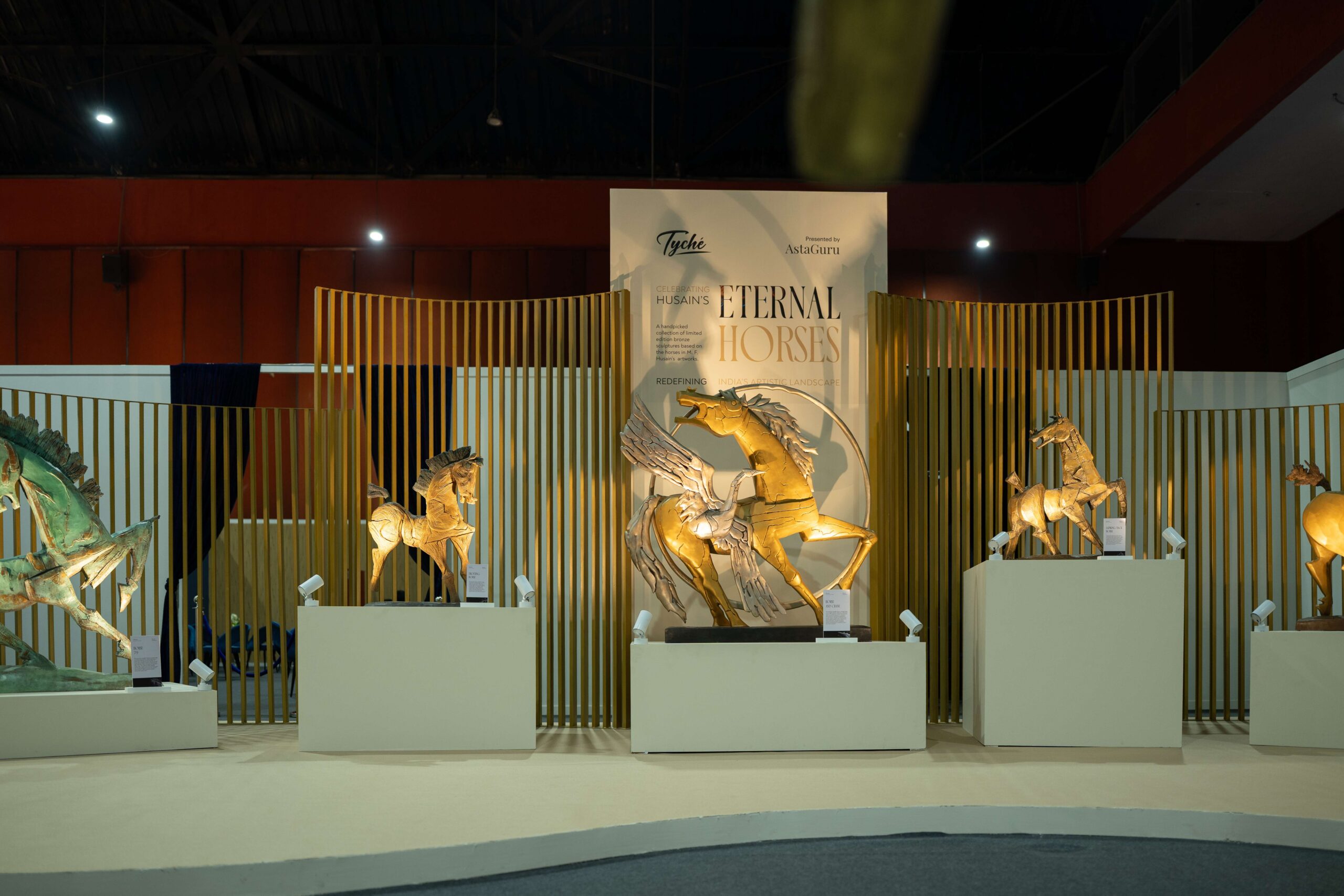
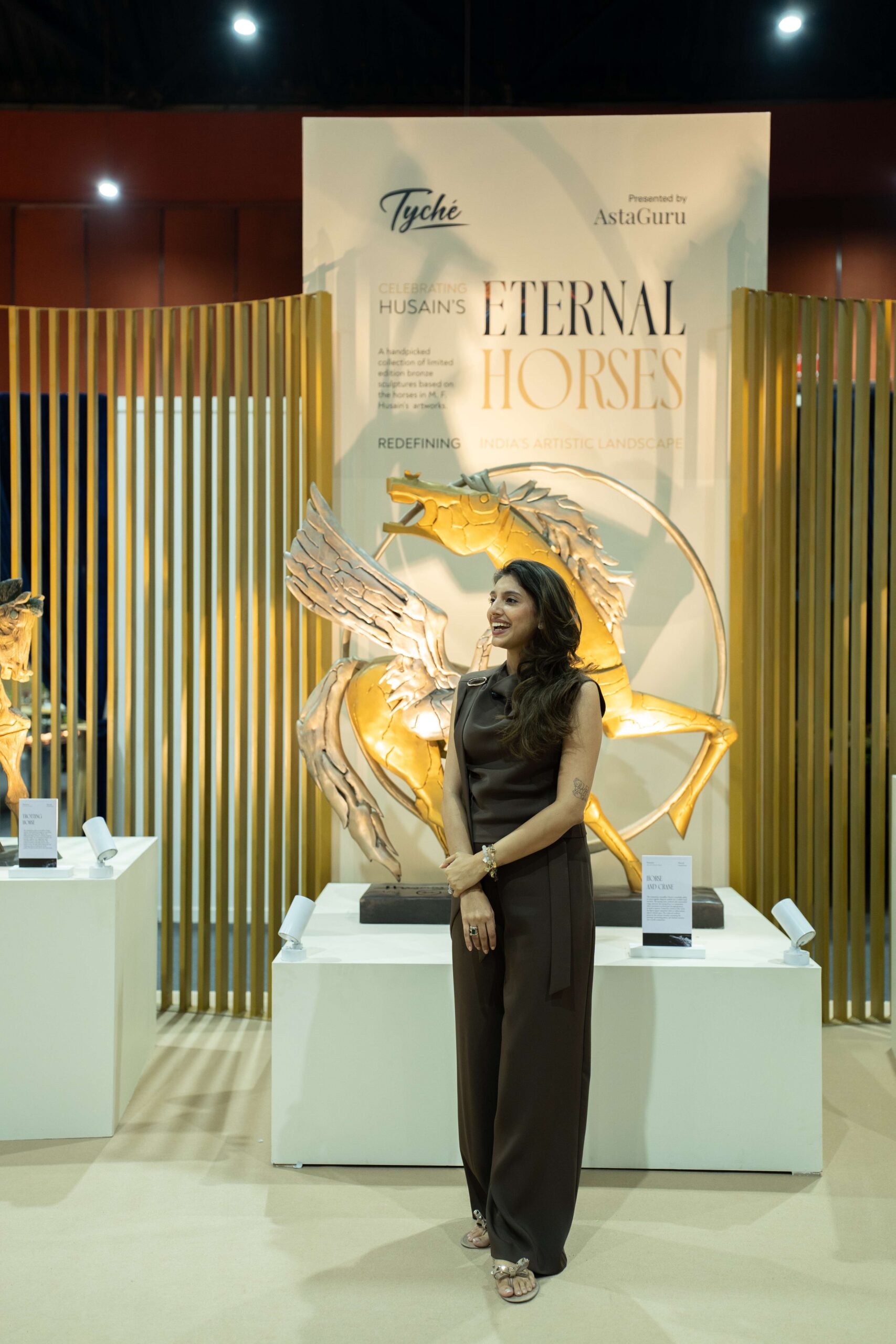
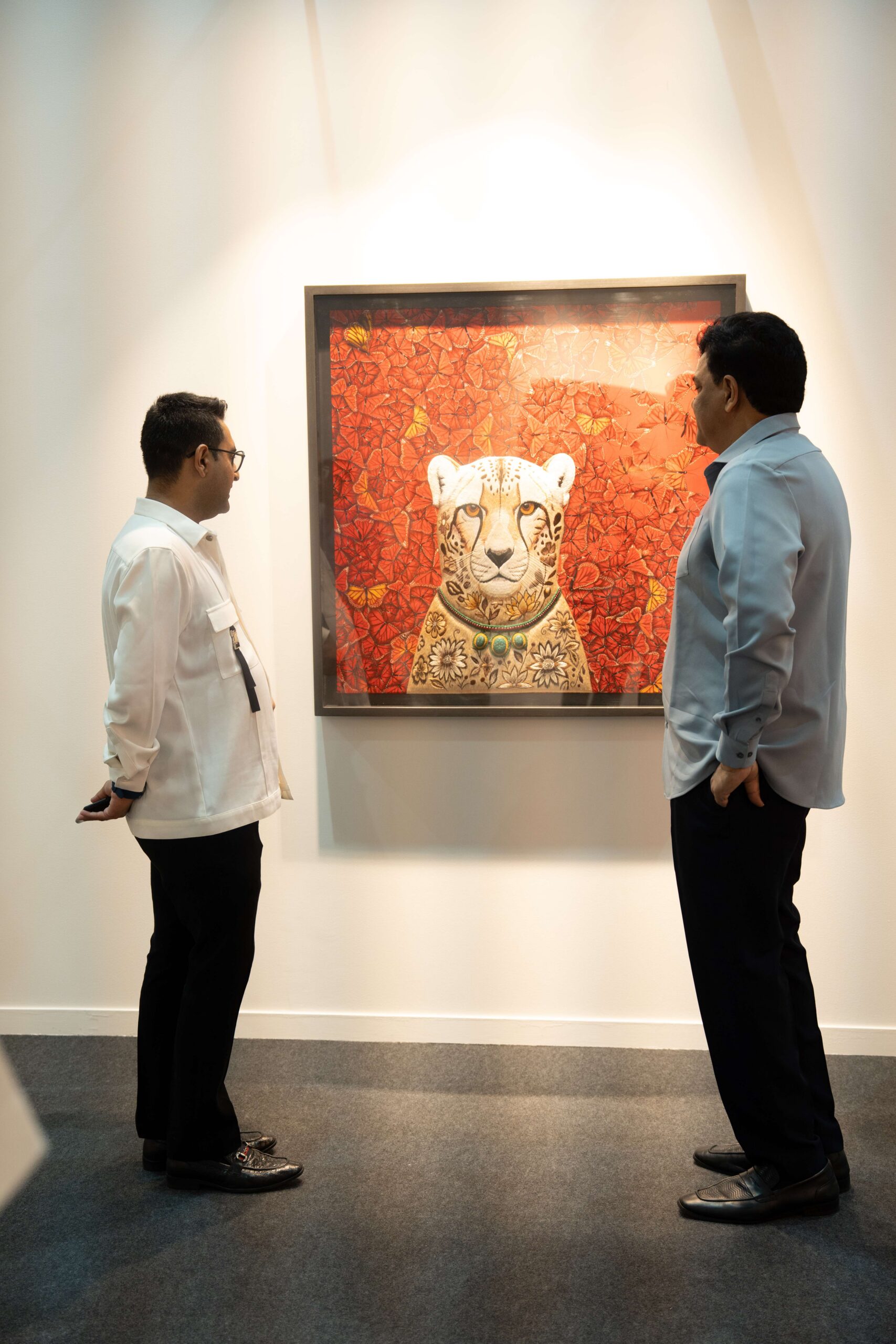
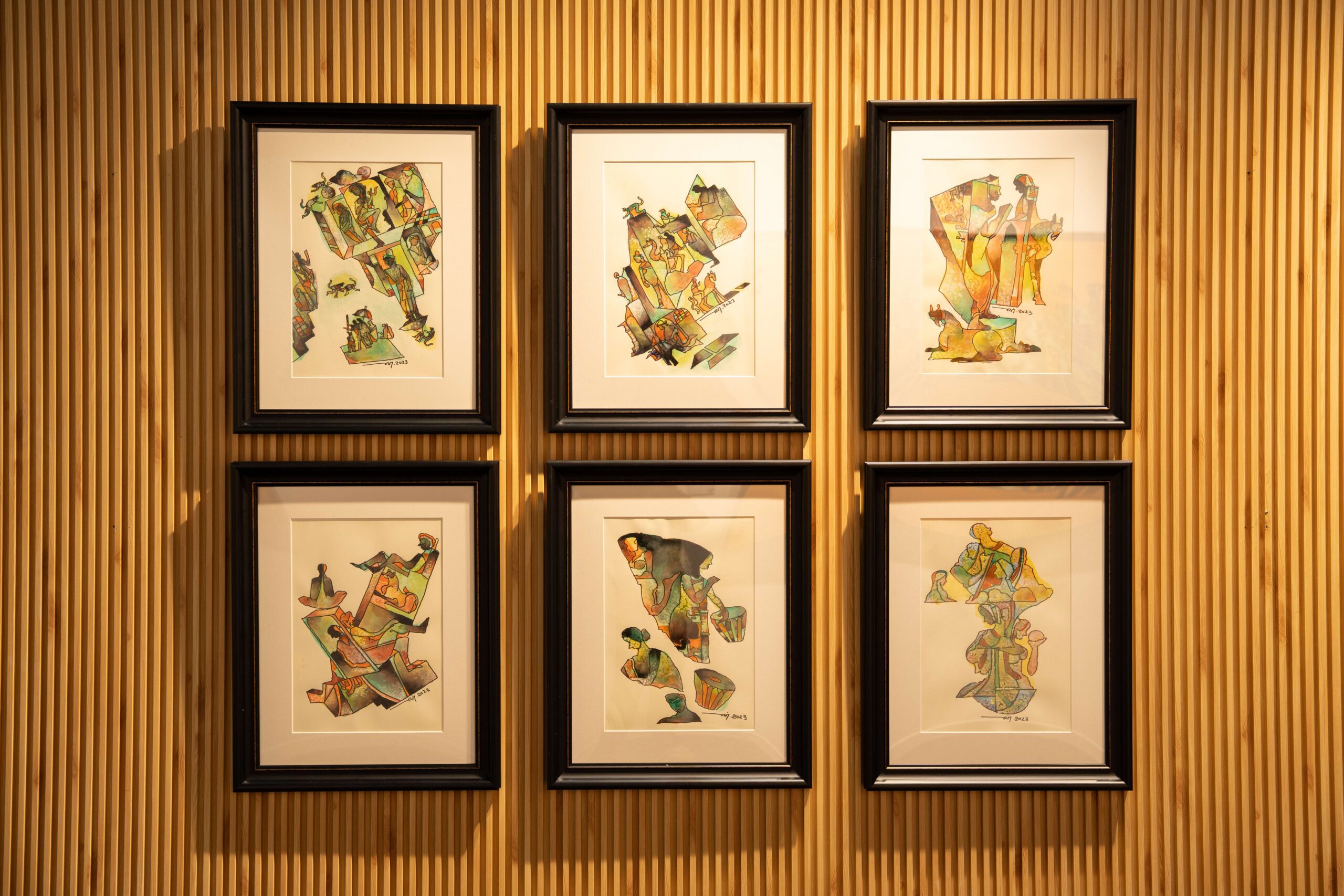
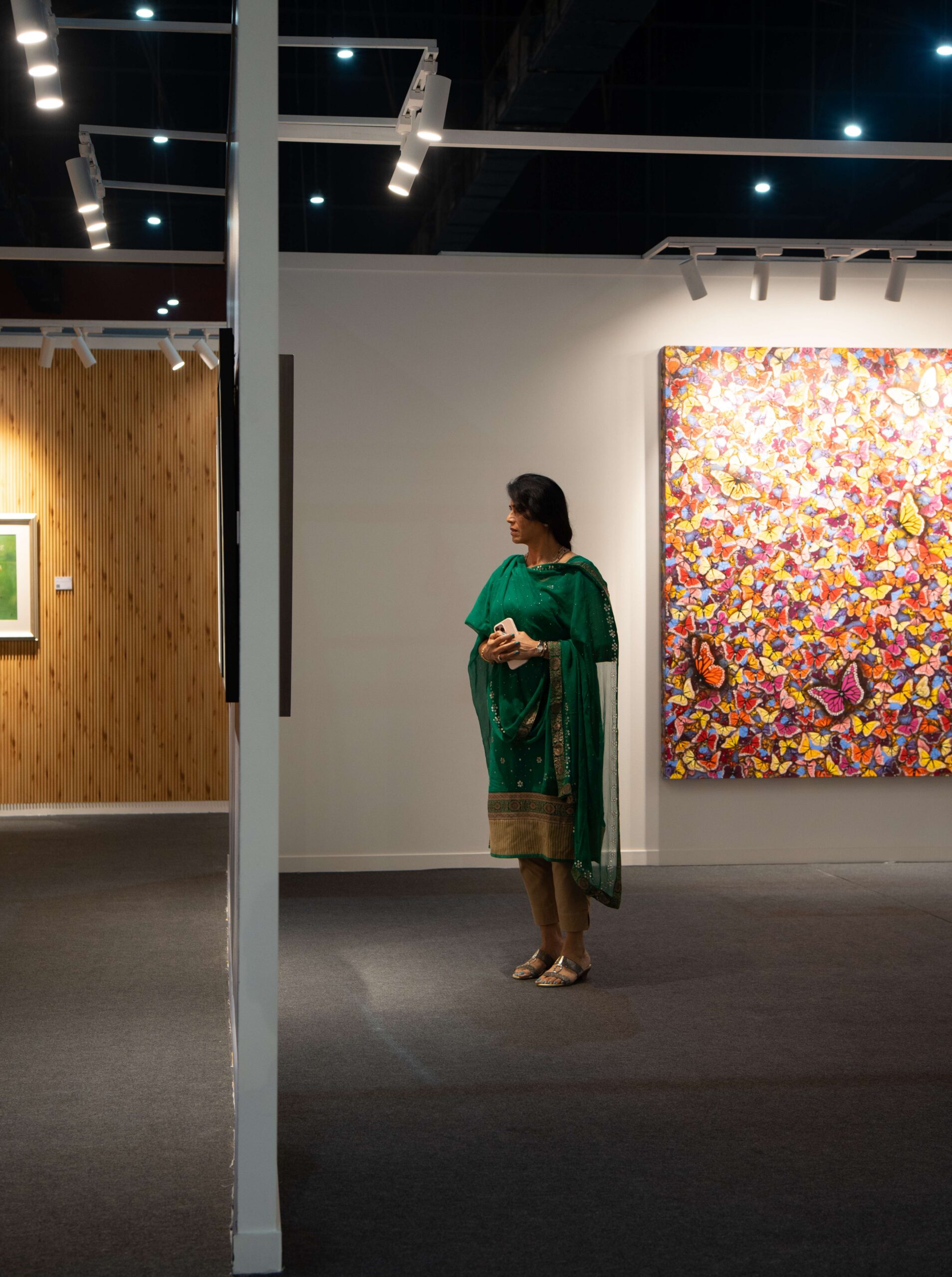
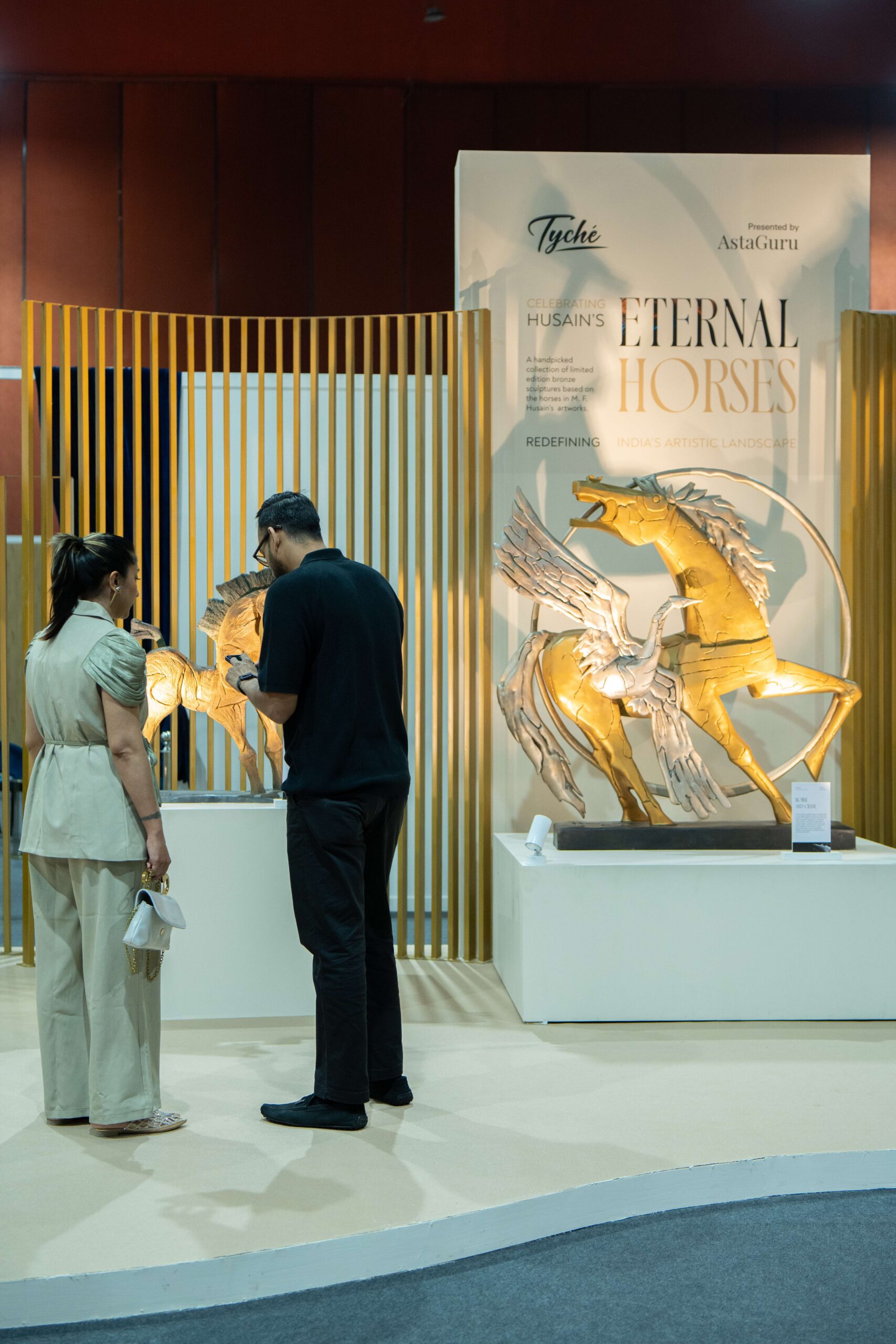
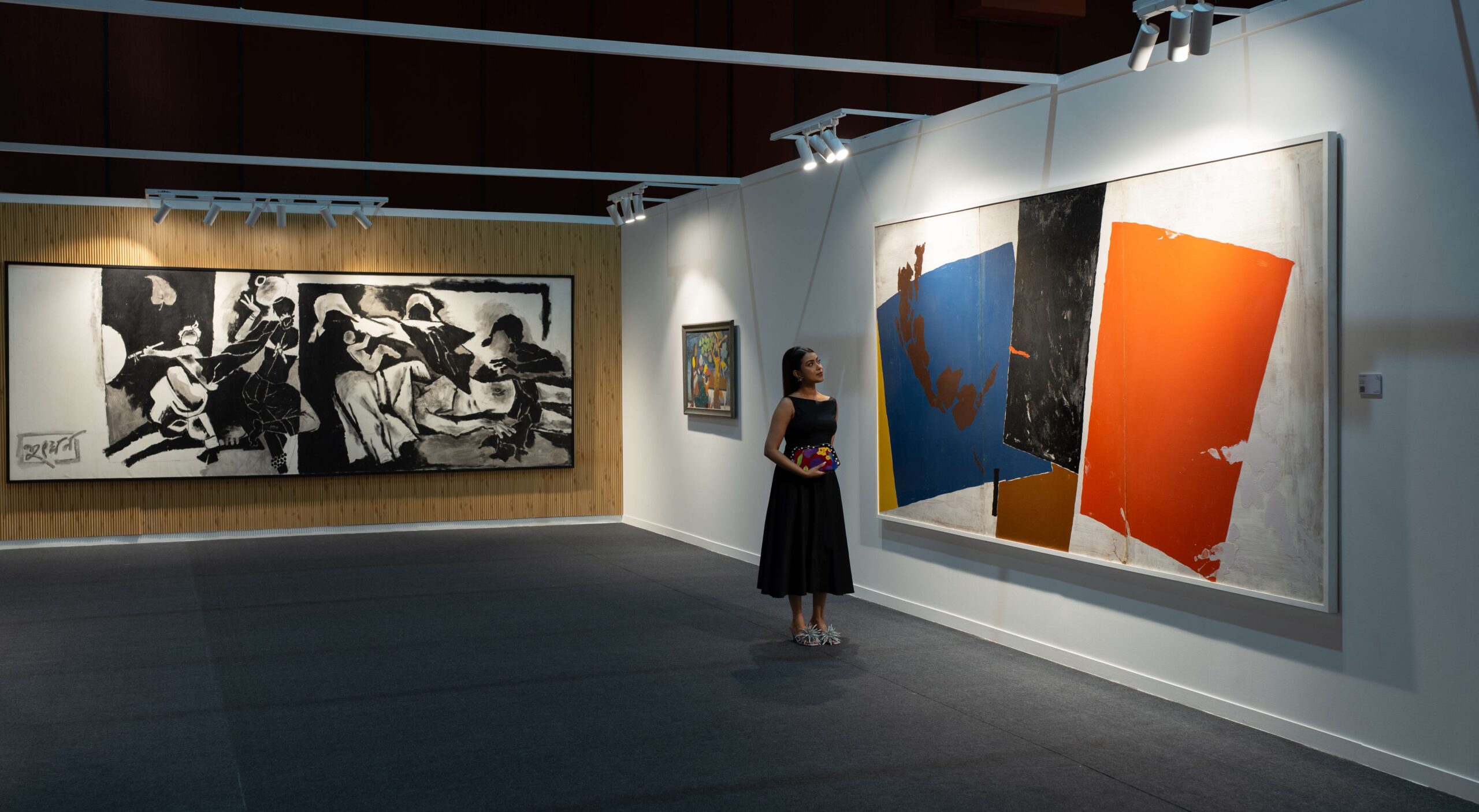
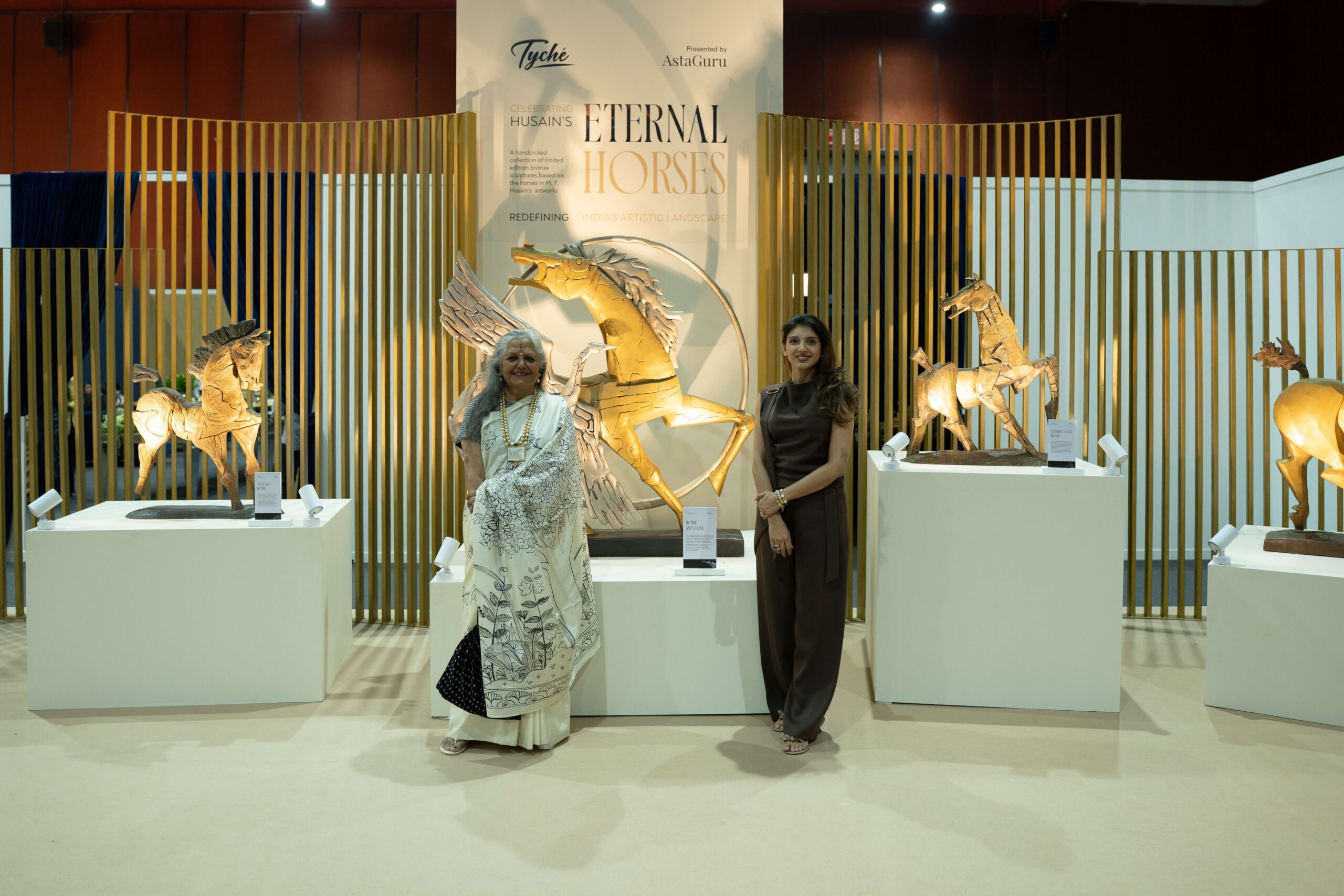
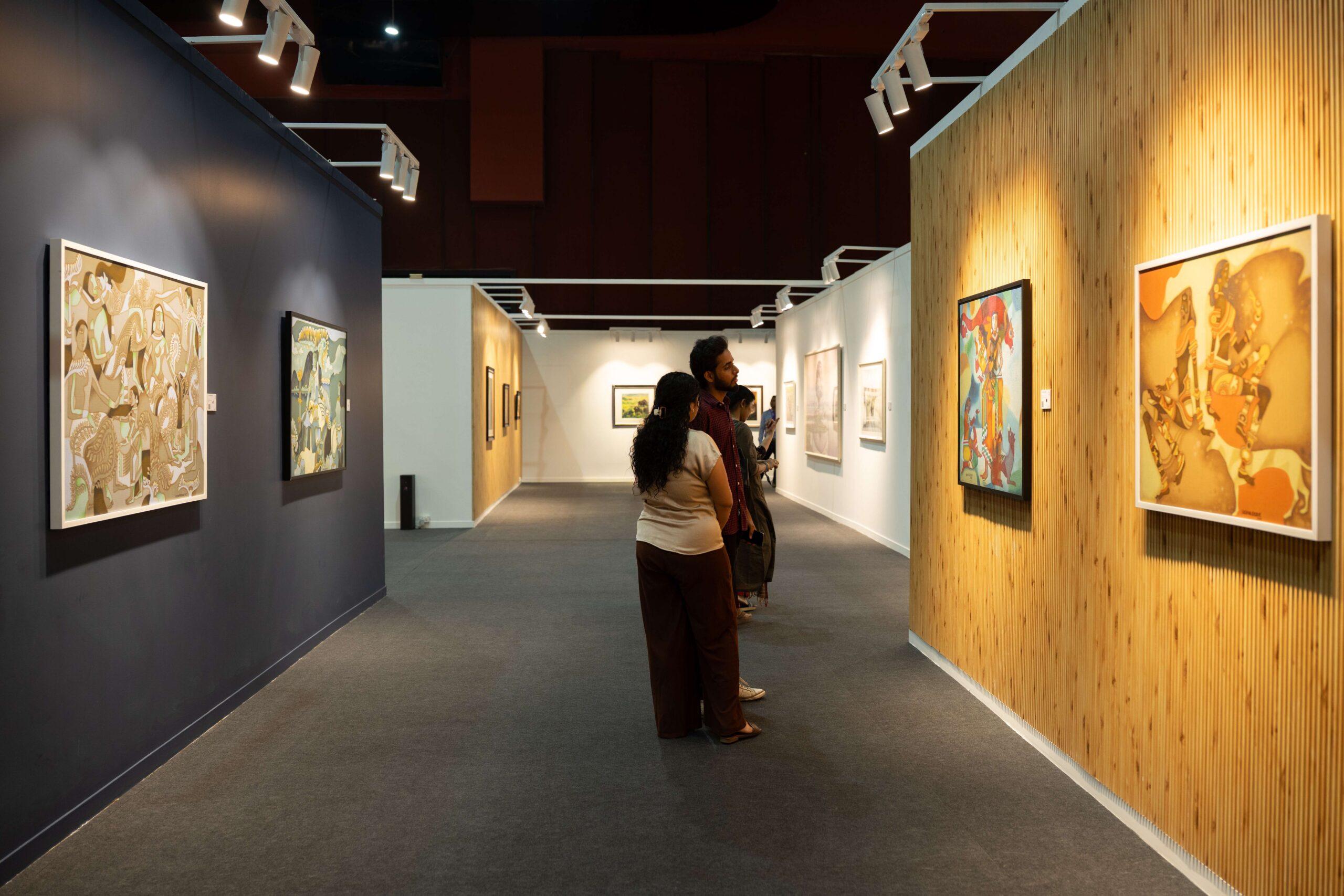
The exhibition featured works by established modern masters and contemporary practitioners, reflecting the breadth of India’s artistic landscape. From influential modernist expressions to evolving contemporary practices, the presentation offered perspectives on the changing forms, materials and ideas that have shaped Indian art. The showcase also introduced Tyche, AstaGuru’s luxury brand exploring India’s artistic heritage through licensed editions, including limited-edition patinated bronze sculptures inspired by M.F. Husain’s iconic horses.

Bringing Collecting Closer to New Audiences

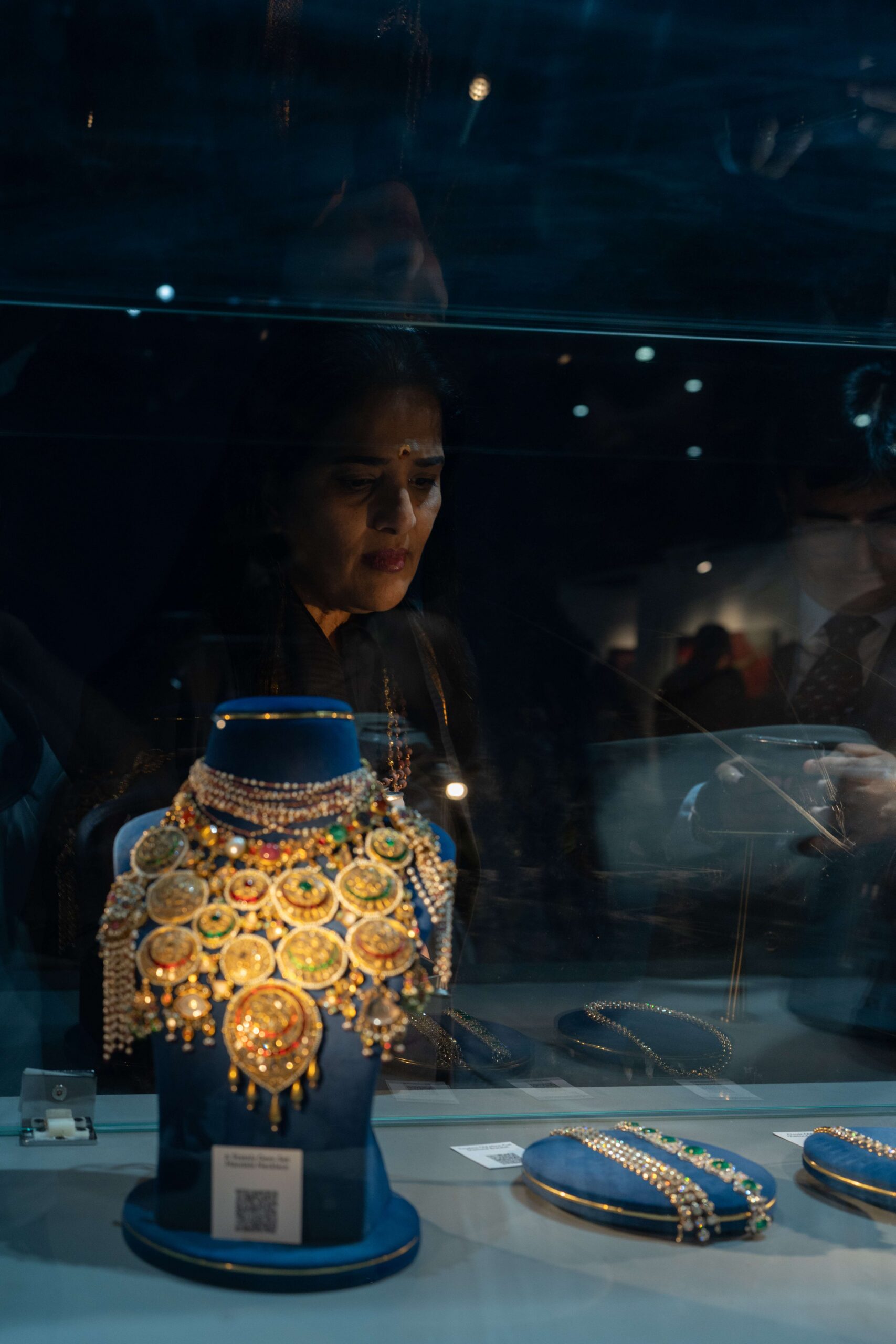
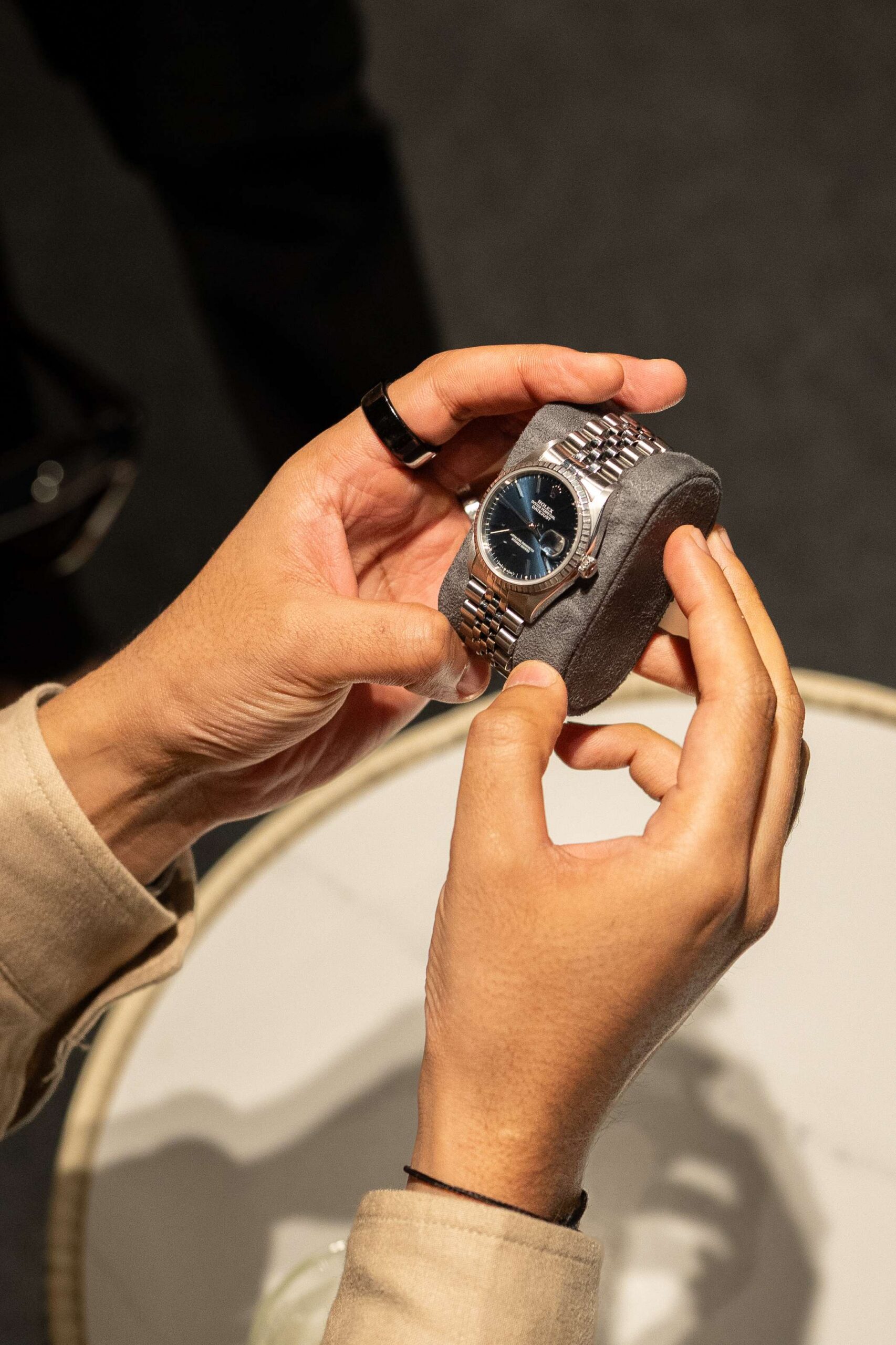
Beyond the exhibition itself, ShowKeen sought to encourage a deeper engagement with collecting. The presentation brought together art, heirloom jewellery and timepieces, reflecting the diverse interests of today’s collectors. By bringing these categories to Hyderabad, the fourth edition created an opportunity for audiences to discover objects of artistic and cultural value while engaging with the stories, craftsmanship and heritage behind them.
A Meeting Point for Art and Culture

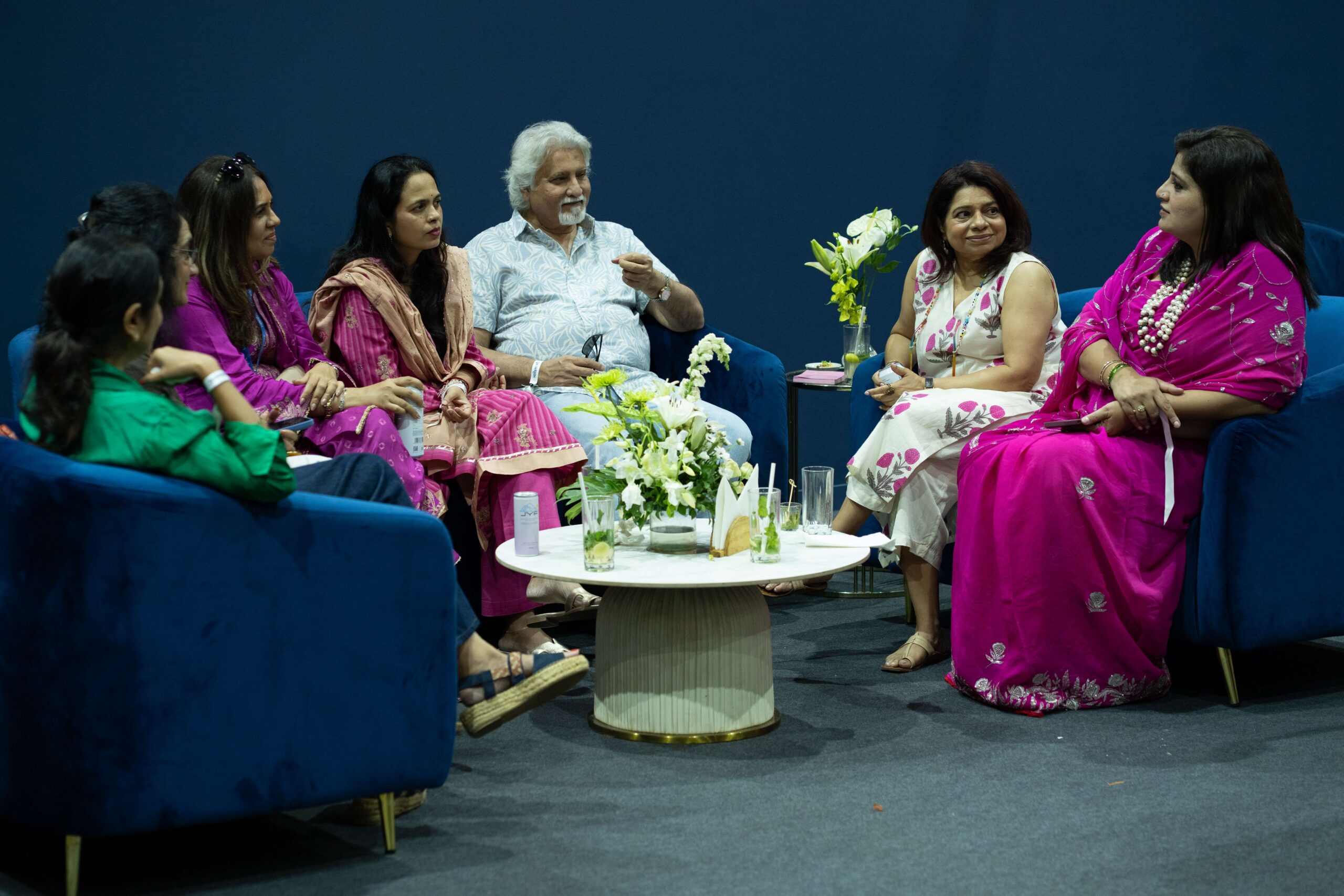
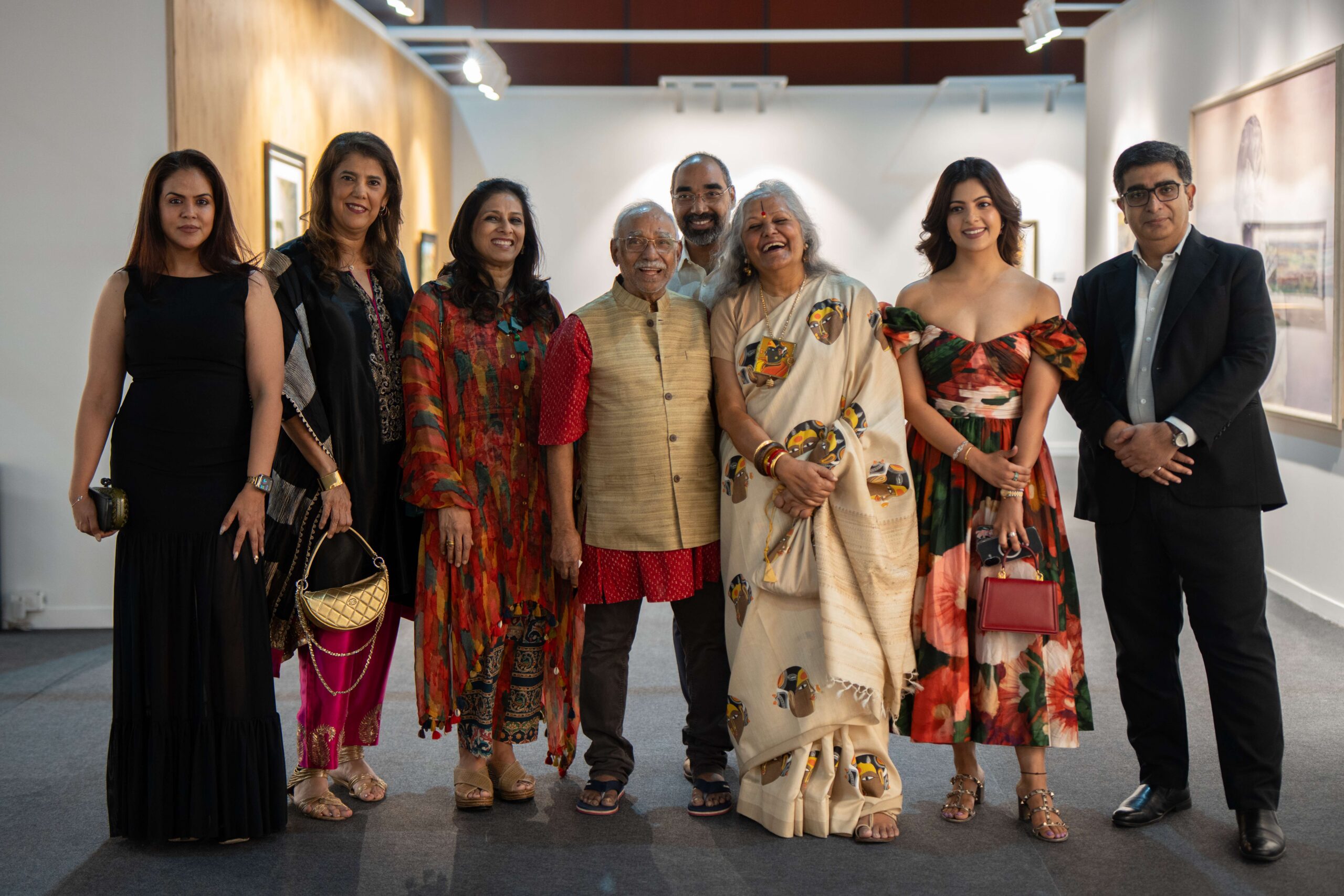
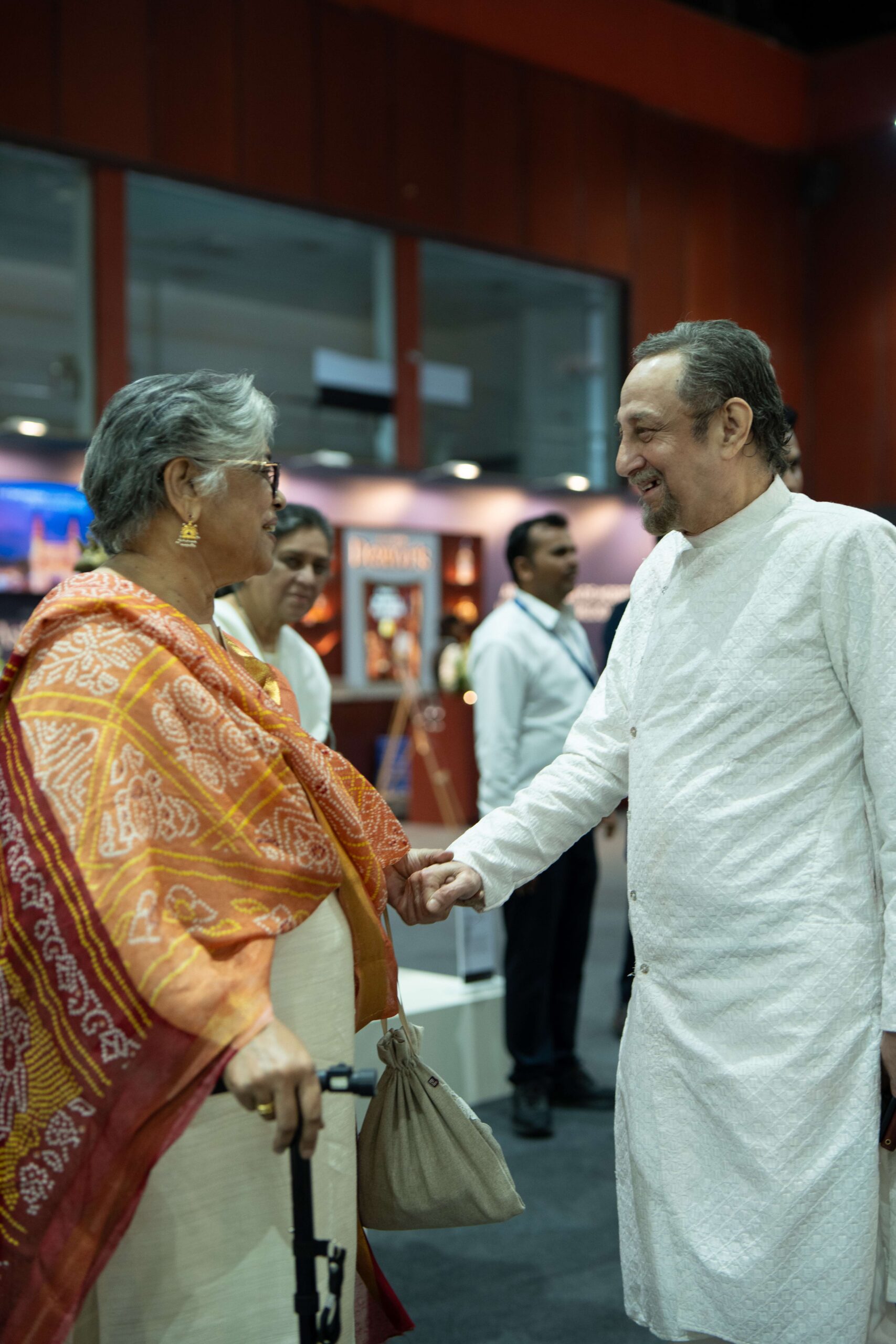
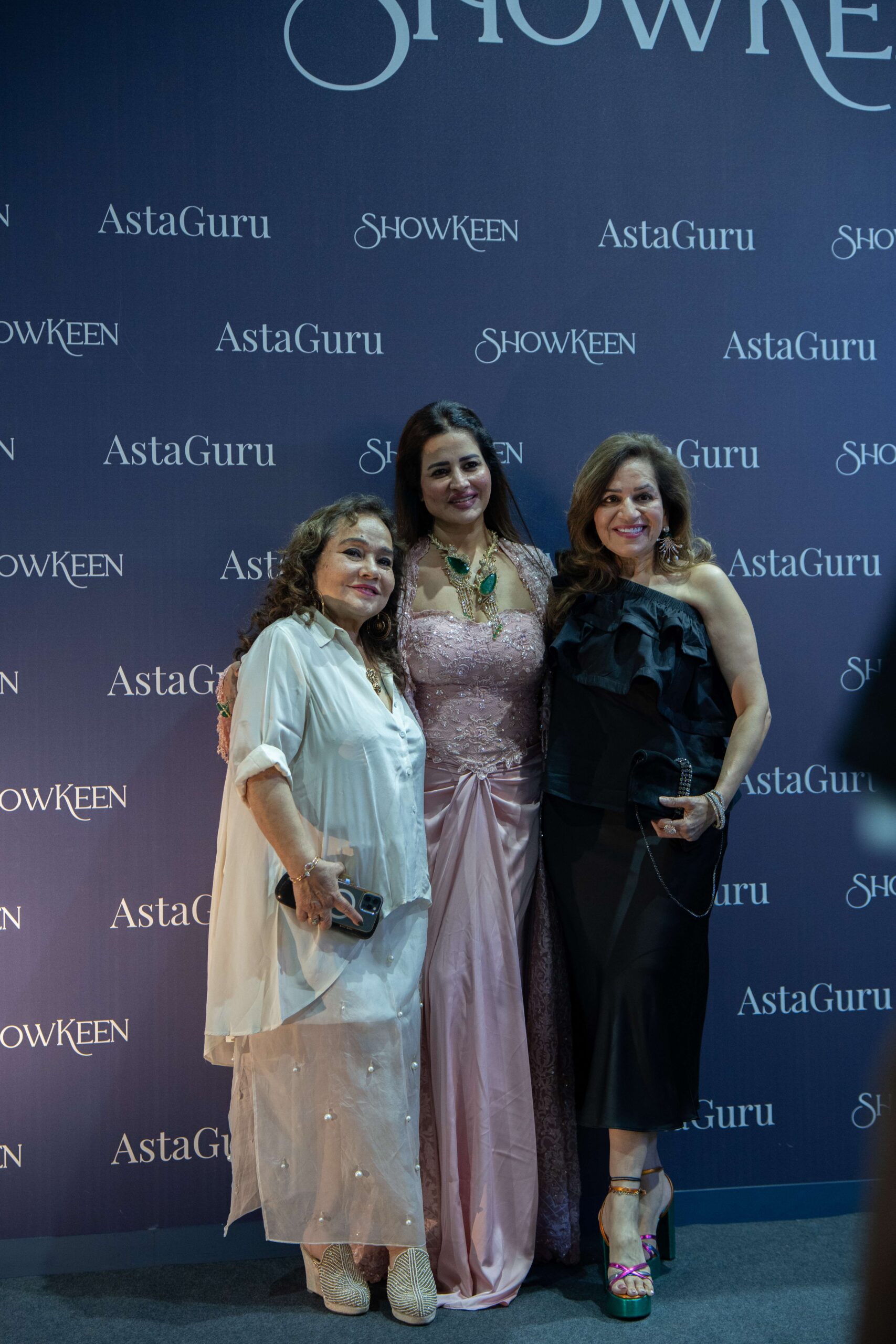
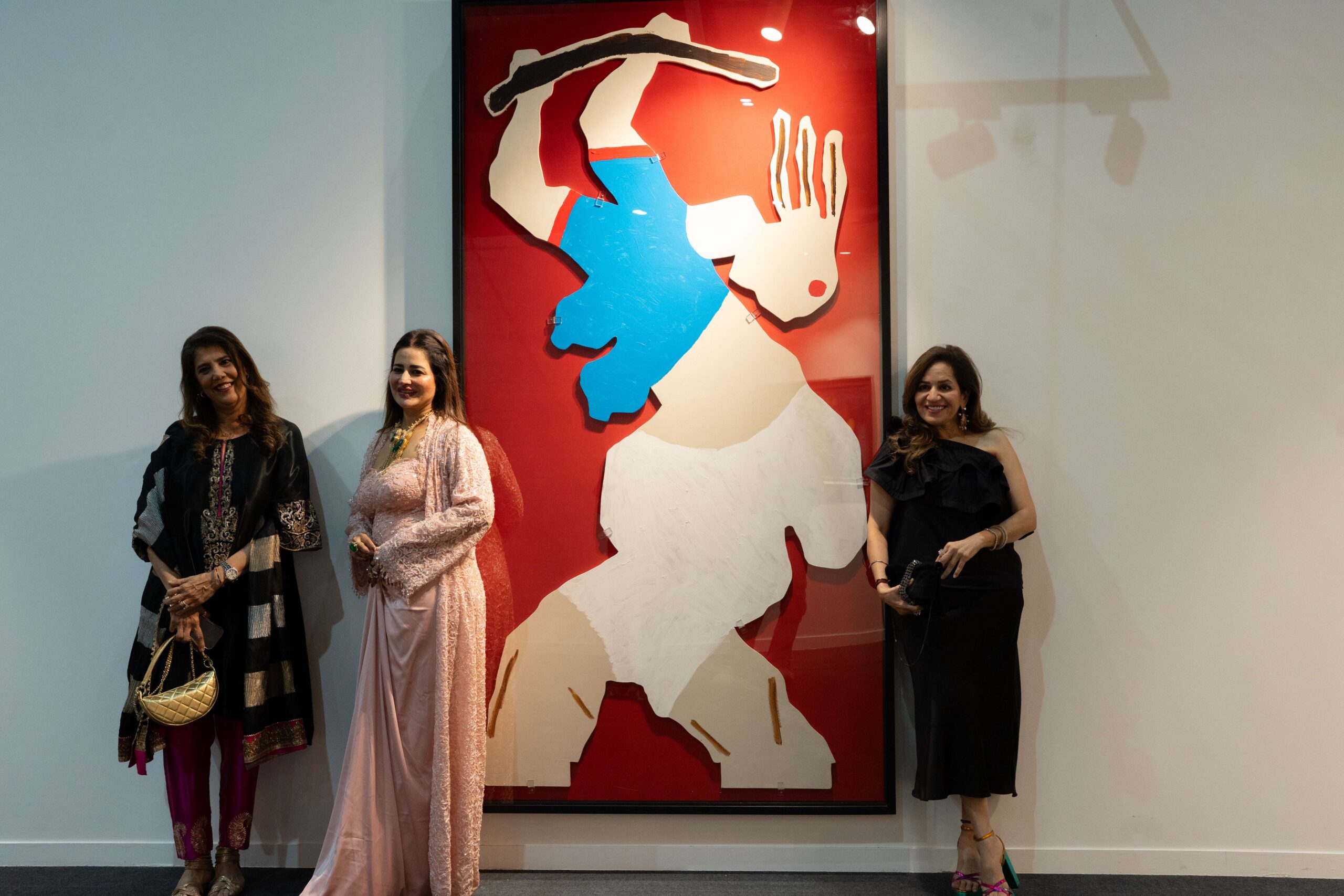
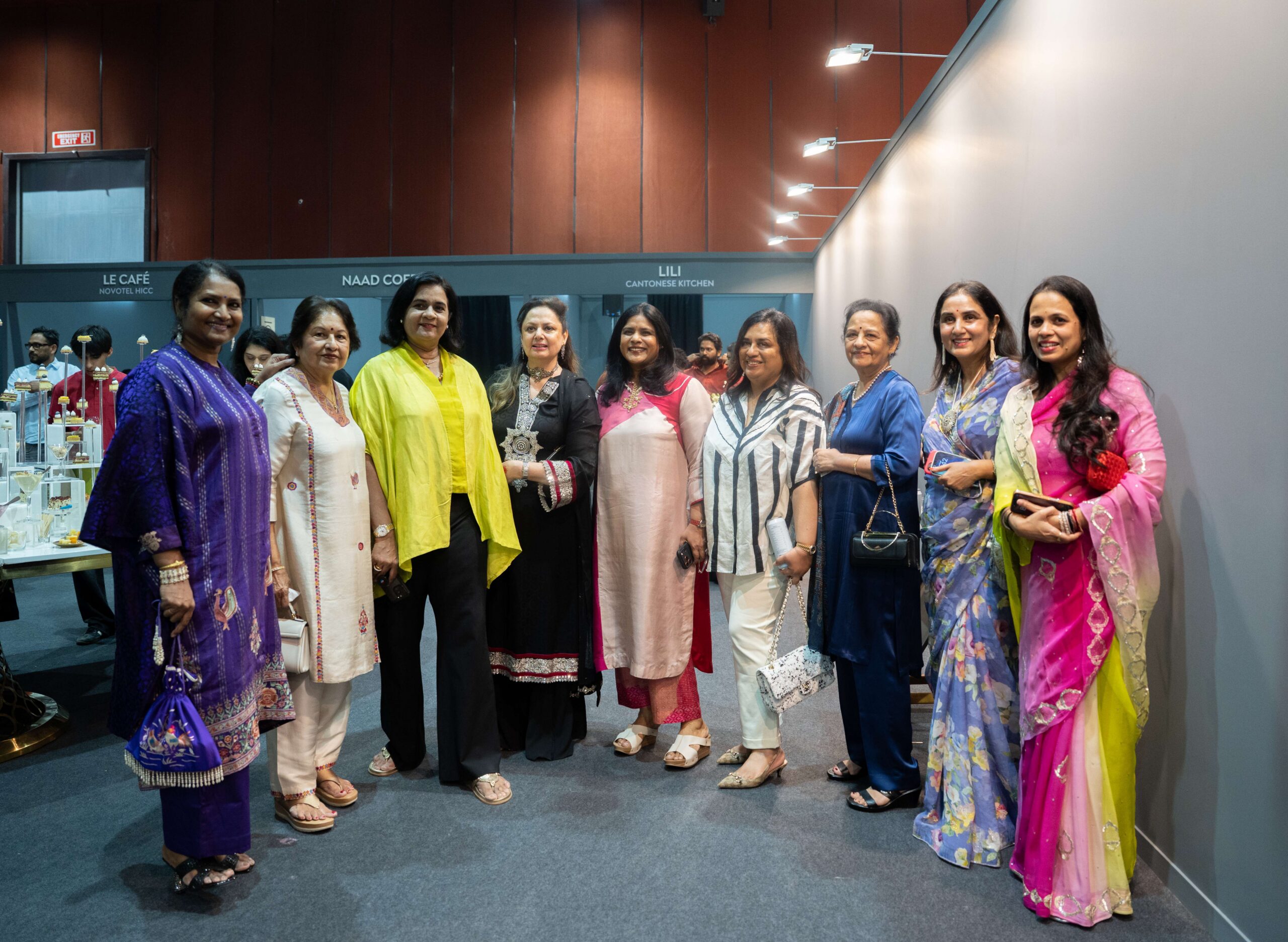
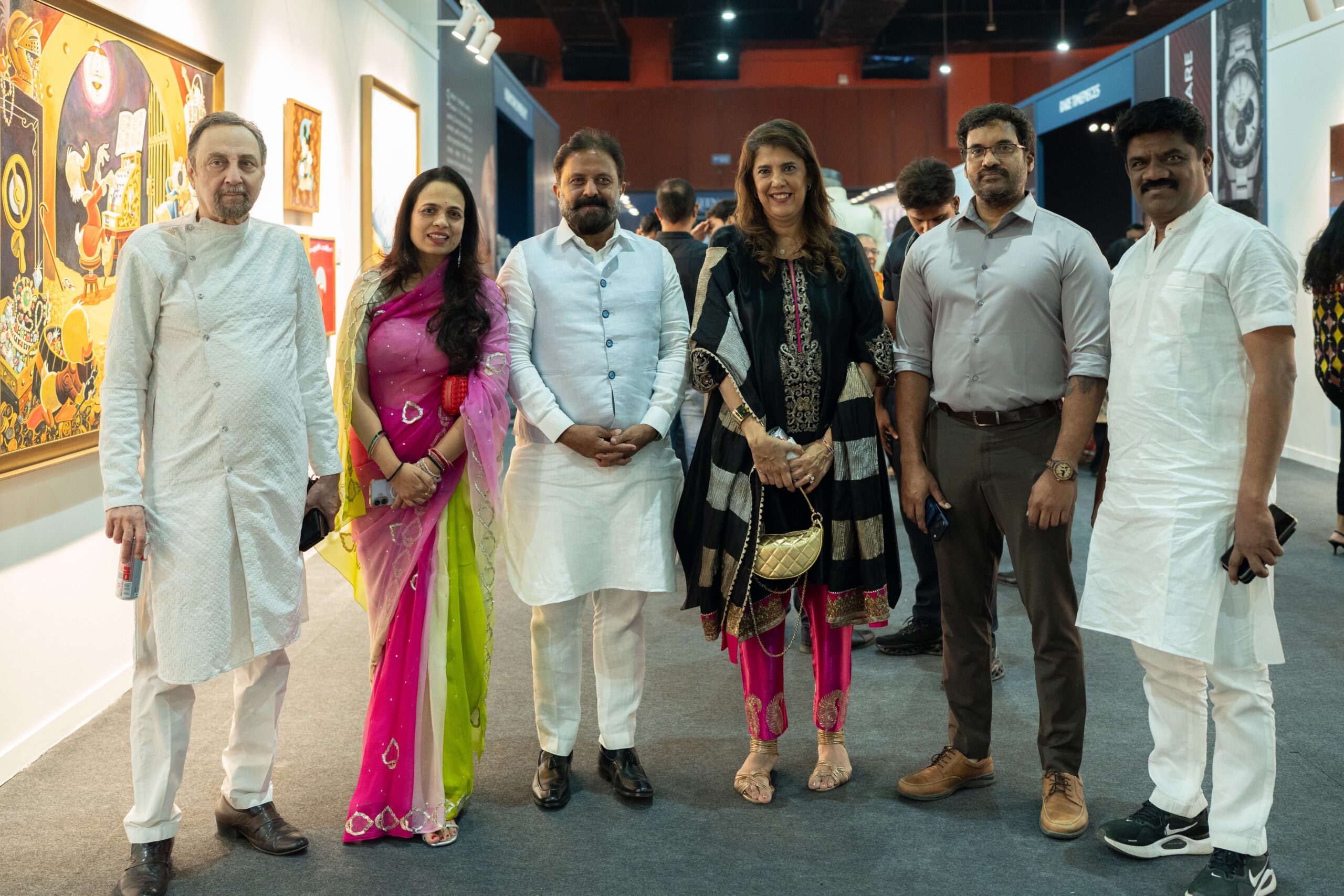
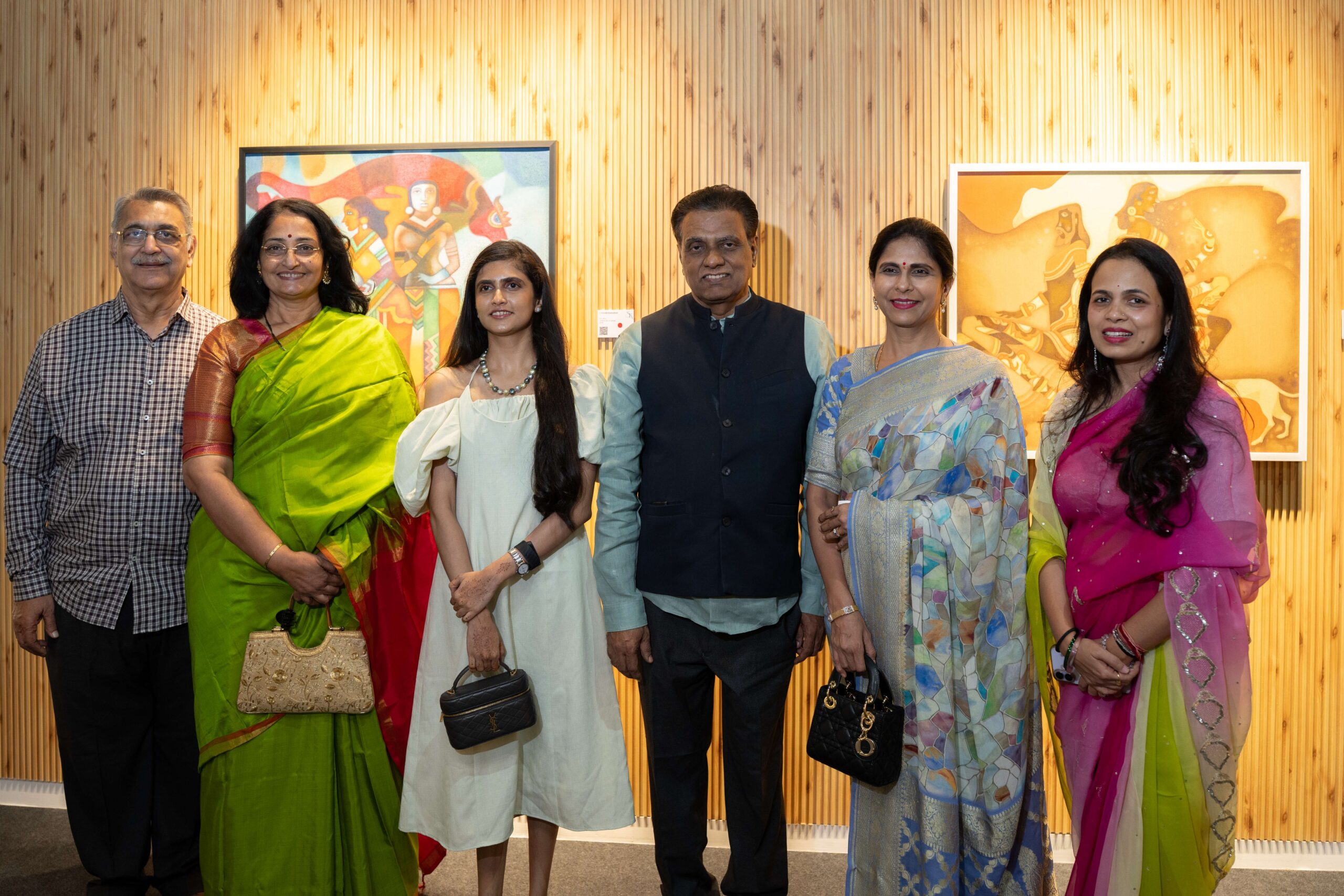
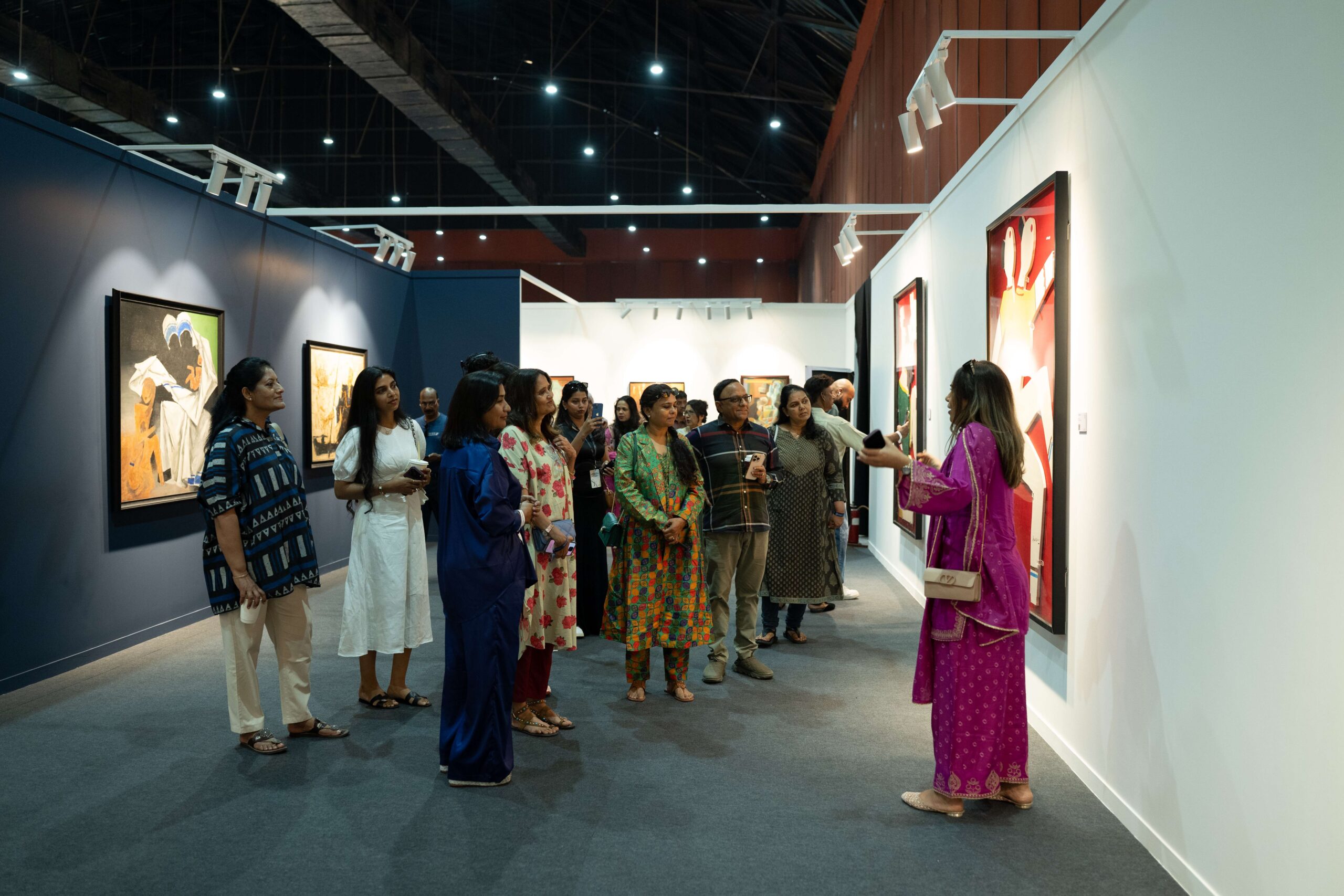
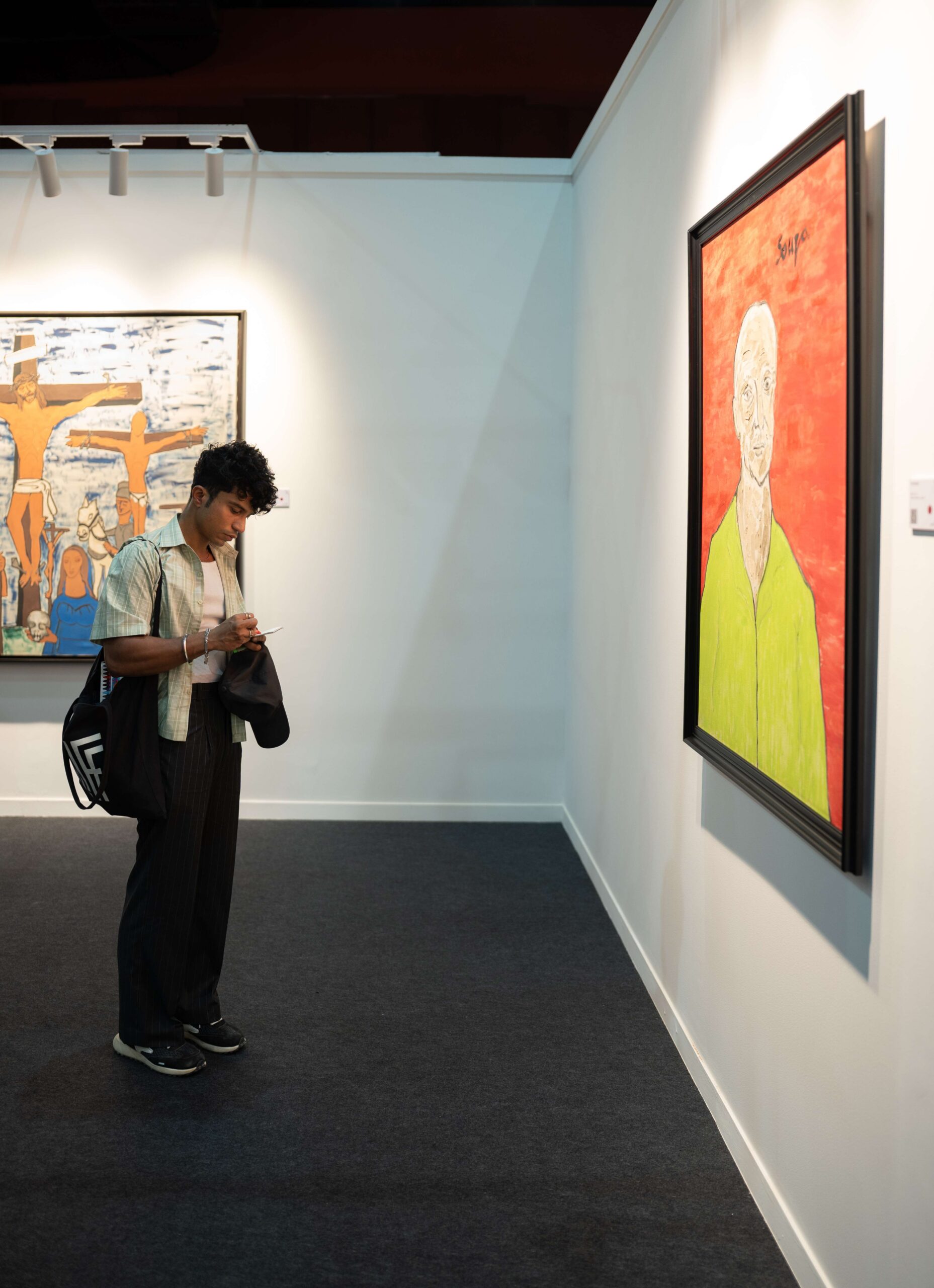
Held at HITEX Exhibition Centre on 17 and 18 October 2026, ShowKeen Hyderabad brought together collectors, art enthusiasts and members of the city’s cultural community. The showcase continued ShowKeen’s ambition of taking significant Indian art and collecting beyond traditional art centres, creating opportunities for new audiences to engage with art and explore the many dimensions of collecting.

Presented by: AstaGuru
Dates: 17-18 October 2026
Venue: HITEX Exhibition Centre, Hyderabad

showkeen 2026 event gallery